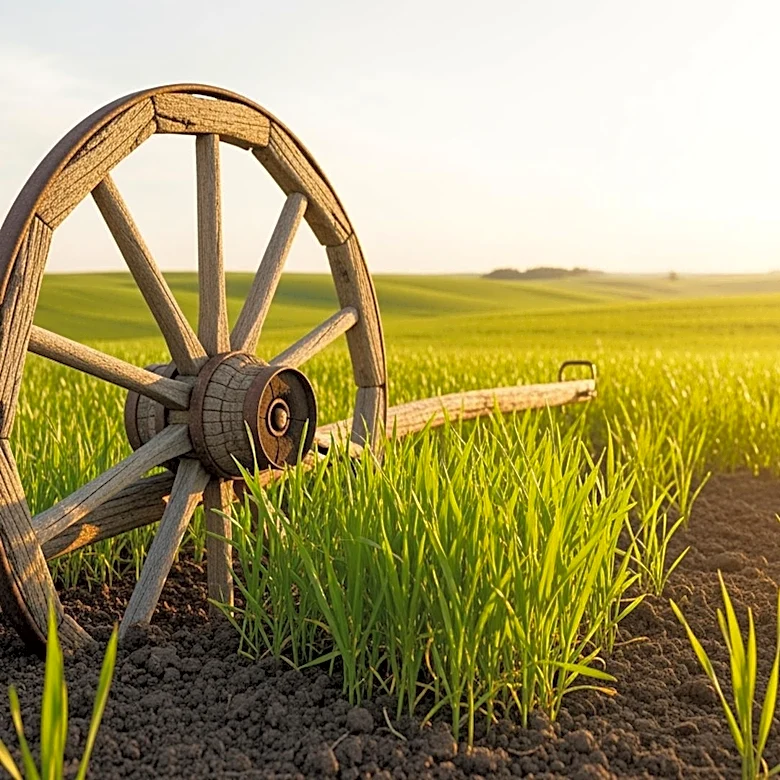
Oregon Trail's Historical Role in Expanding American Agriculture
The Oregon Trail, a key migration route in the 19th century, played a crucial role in the expansion of U.S. agriculture. Stretching approximately 2,170 miles from the Missouri River Valley to the Willamette Valley in Oregon, it facilitated the movement of over 400,000 settlers seeking farmland and new opportunities. These settlers brought seeds, livestock, and farming knowledge, significantly contributing to the growth of American farming and rural development. The trail's importance waned after the completion of the transcontinental railroad in 1869, but its legacy in shaping American agriculture remains significant.