University of Central Florida Researchers Uncover Evidence of Ancient Indigenous Life Near Cape Canaveral
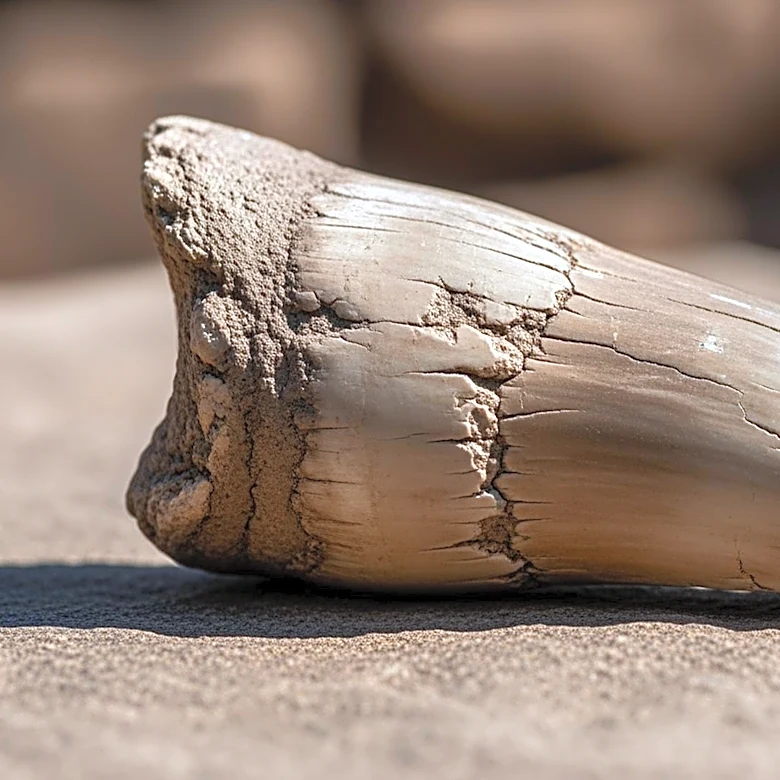
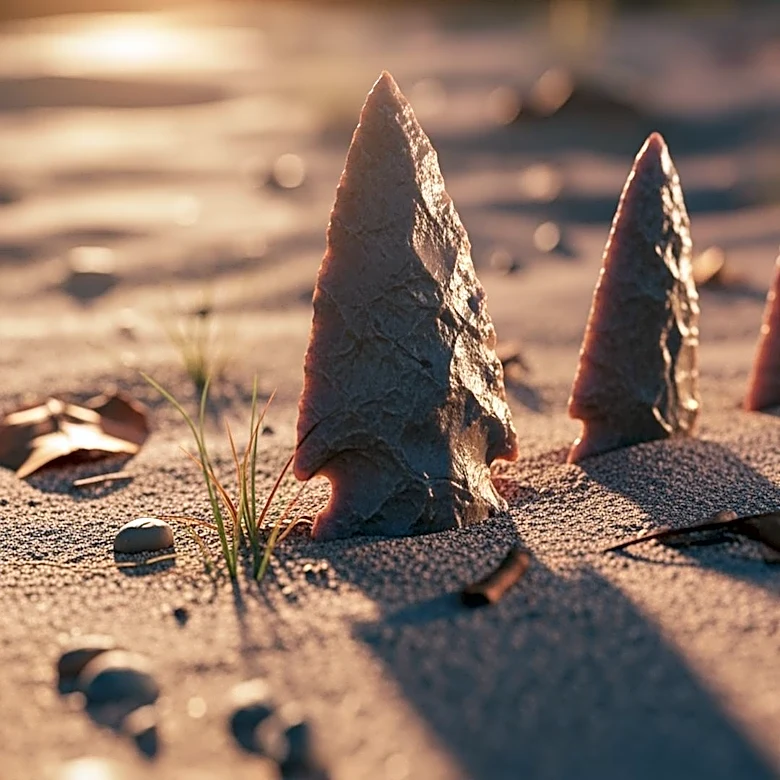
Researchers from the University of Central Florida have discovered significant evidence of Native American life at the DeSoto archaeological site near Cape Canaveral Space Force Station in Florida. The site, dating back to the Malabar II period (approximately 900 to 1,565 CE), contains midden deposits, which are mounds of ancient refuse. Among the findings are pottery fragments, conch shell hammers, and shark tooth knives, indicating the tools used by Indigenous people for food preparation. The research, part of UCF's Cape Canaveral Archaeological Mitigation Project, also revealed traces of various seafood, including shark, fish, clams, and seasonings. Notably, the complete vertebral column of a shark and an unidentified object, possibly a fossil or whale bone, were discovered. The findings suggest that while the Indigenous residents did not farm, they had access to ground corn farmed by North Florida Indigenous people.