Pittsburgh Communities Face Disproportionate Urban Heat Risks
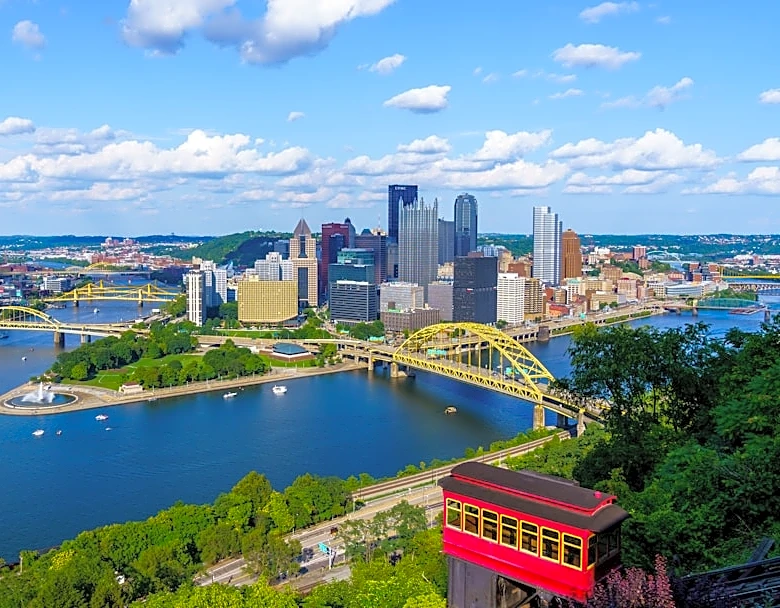
Western Pennsylvania leaders are calling for urgent measures to address the disproportionate impact of extreme heat on environmental justice communities. Pittsburgh recently experienced eight consecutive days of high temperatures, exacerbating the urban heat island effect in historically segregated neighborhoods. A Carnegie Mellon University study found that predominantly Black neighborhoods in Pittsburgh are, on average, nearly 6°F (3.3°C) warmer than more affluent areas due to fewer trees and more heat-retaining surfaces like asphalt and concrete. Local officials are advocating for increased tree planting, improved access to air conditioning, and the establishment of cooling centers to mitigate these effects.