Japanese Longevity Attributed to Lifestyle Factors Beyond Diet, Including High Physical Activity and Social Connections
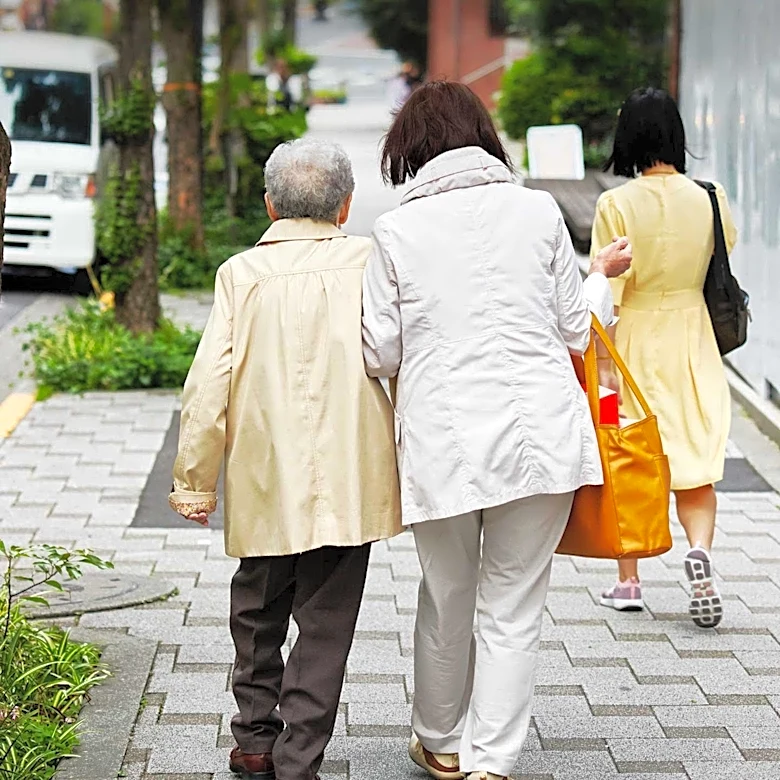
Japan's high life expectancy, among the highest globally at around 84 years, is increasingly being attributed to a combination of lifestyle factors rather than solely diet. Researchers highlight historically low calorie intake, high daily physical activity, strong social connections, and universal healthcare access since 1961 as key contributors. The traditional Okinawan diet, once considered a primary secret to longevity, is noted to have largely disappeared in post-1950 generations, with younger Okinawans experiencing rising obesity rates and a decline in life expectancy rankings within Japan. The original Okinawan diet, prevalent among centenarians born between 1900 and 1920, was characterized by approximately 1,800-1,900 calories daily, with purple sweet potato as a staple, minimal meat and sugar, and the practice of 'hara hachi bu' (eating until 80% full). This dietary pattern was high in carbohydrates (80-85% from whole foods), low in protein (around 9%), and very low in fat (6-8%).