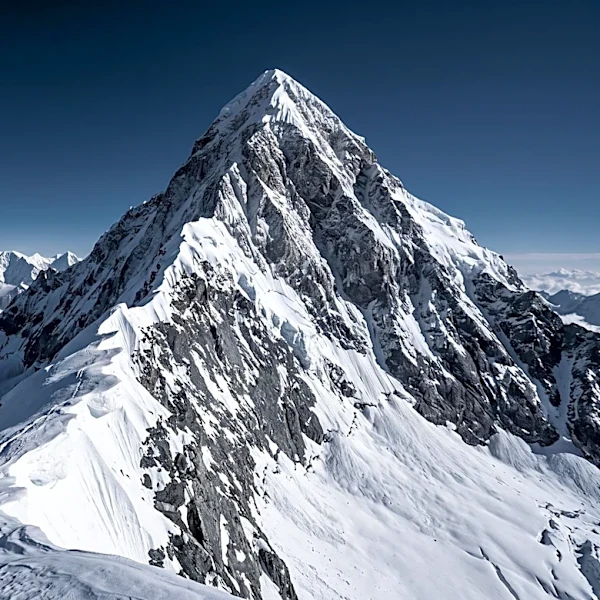
Mountaineering Deaths: Trauma and Altitude Illness Identified as Leading Causes
A study analyzing mountaineering deaths between 1921 and 2006 on Mount Everest revealed that trauma and non-traumatic high-altitude illness, including hypothermia and sudden death, are significant causes of fatalities. Specifically, 113 deaths were attributed to trauma, while 52 deaths resulted from non-traumatic high-altitude illness, hypothermia, or sudden death. Additionally, 27 climbers disappeared and were never found during this period. This data highlights the diverse risks faced by mountaineers, ranging from immediate physical injuries to physiological challenges posed by extreme altitudes. The research emphasizes that the causes of death can vary significantly depending on the specific mountain, activity, and conditions, making it difficult to establish a single 'number-one killer' across all mountaineering contexts. For instance, while falls dominate fatality records in ordinary Alpine mountaineering, avalanche and serac collapse are more prevalent in mass-casualty disasters. At extreme altitudes...