Global Snakebite Risk Rising Due to Climate Change and Habitat Loss
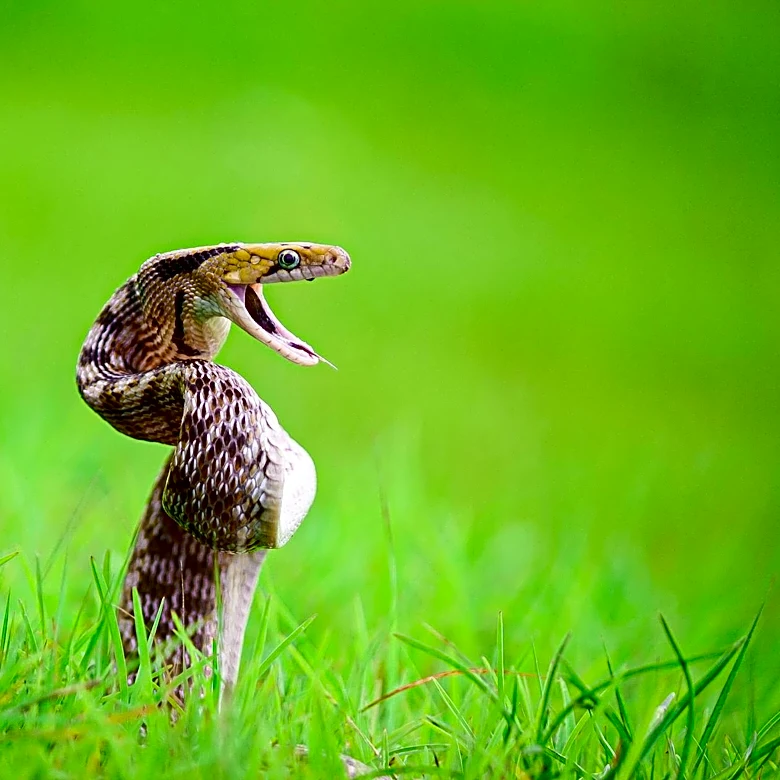
A recent study led by the World Health Organization (WHO) highlights an increasing global risk of snakebites as venomous snakes adapt to climate change and habitat loss. Rising temperatures and human encroachment are driving snakes like spitting cobras in Africa, vipers in Europe and South America, cottonmouth moccasins in North America, and kraits in Asia into closer contact with human populations. The study, published in PLOS Neglected Tropical Diseases, mapped the distribution of 508 medically significant snake species and projected their range shifts by 2050 and 2090. While many species face habitat loss, some, including the black mamba and cottonmouth moccasins, are expected to expand into new areas, potentially exposing billions of people to increased risk. The research underscores the need for targeted health interventions and conservation efforts to address these changes.