Northern Lights May Illuminate Skies Across Northern U.S. After Solar Flare
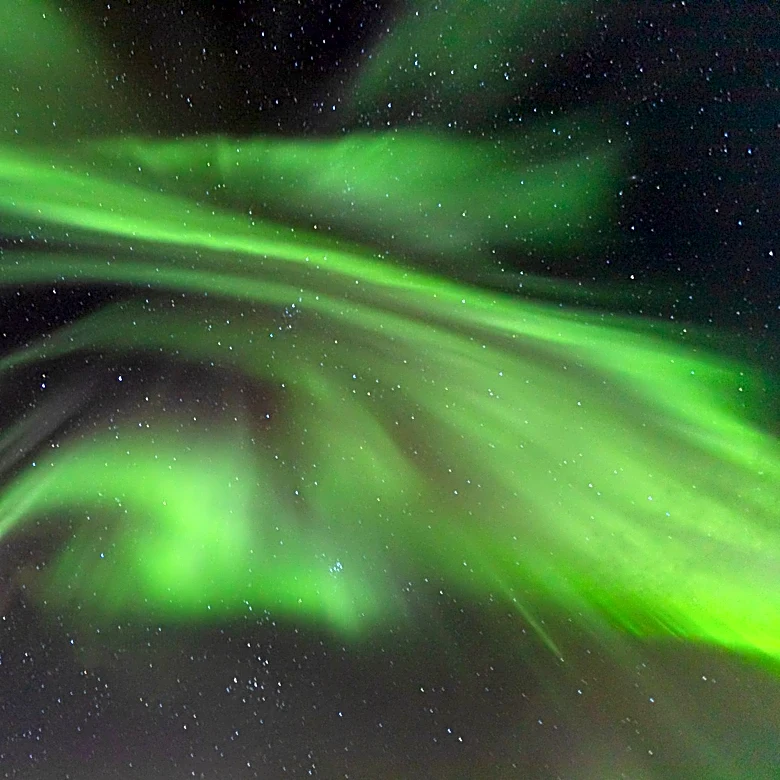
A powerful solar flare, classified as M6.9, erupted from the sun on August 25, 2026, releasing a coronal mass ejection (CME) that could trigger geomagnetic storms on Earth. NOAA's Space Weather Prediction Center forecasts isolated G1 (minor) to G2 (moderate) geomagnetic storm conditions on August 27 and 28. This activity may result in a rare and vivid display of the Northern Lights, or aurora borealis, visible across parts of Alaska, Canada, and the northern United States, including Washington, Idaho, Montana, North Dakota, Minnesota, Michigan, and possibly northern New England. The auroras occur when charged solar particles interact with Earth's magnetic field, creating colorful displays in the night sky. The Kp index, a measure of geomagnetic activity, is expected to reach 5.67, indicating heightened activity. (Source time: not specified.)