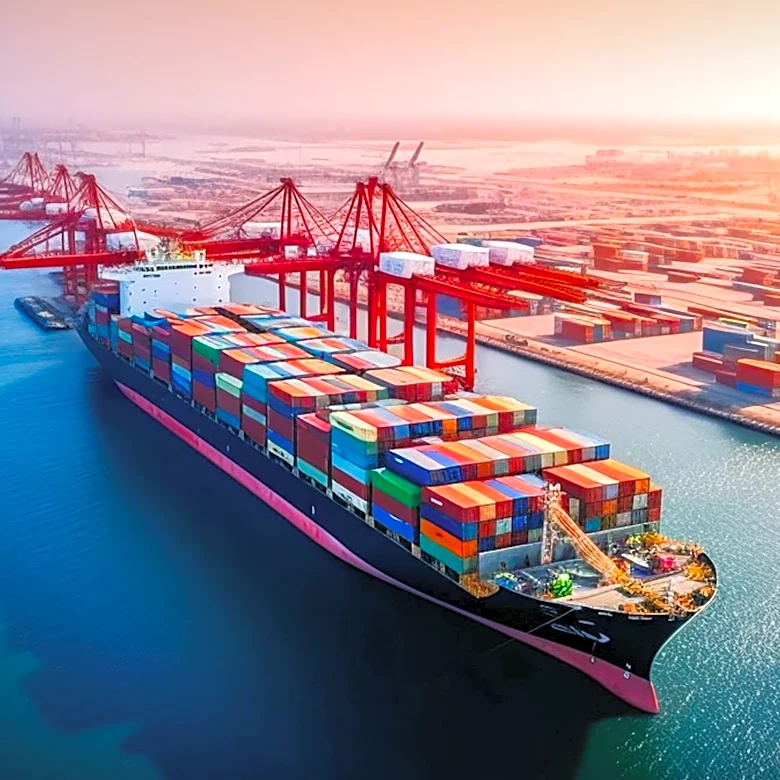
Strait of Hormuz Closure Highlights Challenges in Energy Transition for U.S. and Global Markets
The closure of the Strait of Hormuz has significantly disrupted the flow of natural gas and crude oil, complicating the distribution of refined products such as jet fuel and cooking fuel. This disruption has led to rapid price increases and market volatility, which theoretically should incentivize investment in alternative fuels. However, the current economic and geopolitical climate makes such investments challenging. The situation underscores a critical blind spot in the global energy transition, particularly affecting regions heavily reliant on Persian Gulf exports, such as Europe, where over 40% of jet fuel imports originate from this area.