Labor Day Celebrates American Workers' Contributions and Historical Labor Movement
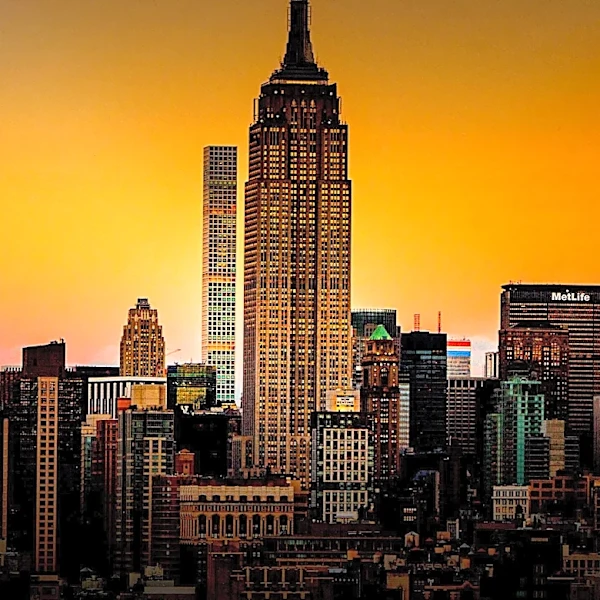
Labor Day, observed annually on the first Monday in September, is a national holiday dedicated to recognizing the social and economic achievements of American workers. The holiday's origins trace back to the late 19th-century labor movement, a period marked by significant industrial growth and worker activism. The first recorded Labor Day celebration took place on September 5, 1882, in New York City, organized by the Central Labor Union. This event featured a parade through lower Manhattan with an estimated 10,000 to 20,000 marchers, followed by a festival. The concept of a workers' holiday quickly gained traction, with Oregon becoming the first state to enact a Labor Day law in 1887. By 1894, Congress passed legislation making the first Monday in September a legal national holiday, which President Grover Cleveland signed into law. While the holiday now often signifies the unofficial end of summer for many, its core purpose remains to honor the contributions of the American workforce.