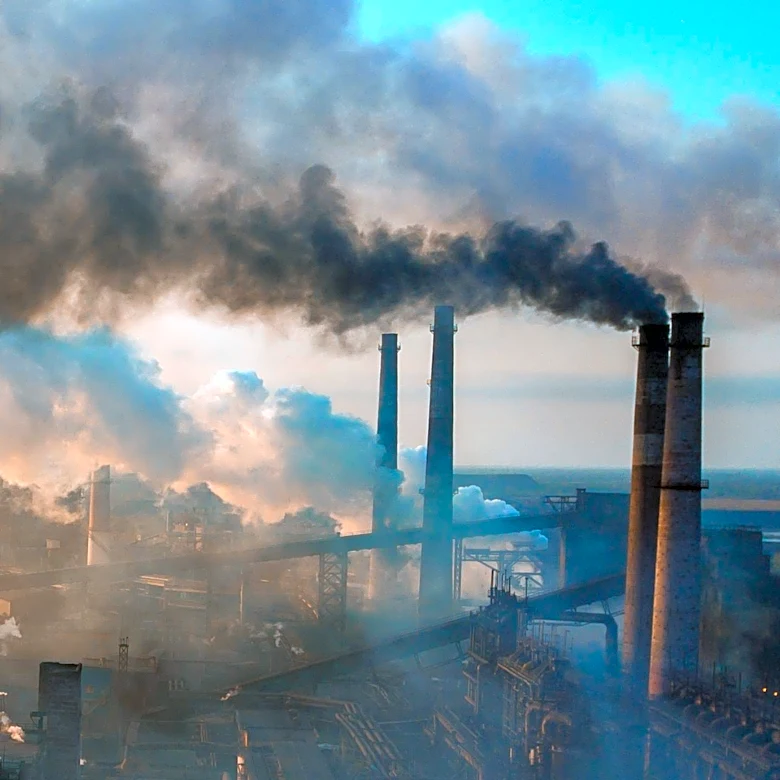
International Climate Agreements Highlight Implementation Gaps Affecting Developing Nations
The global response to climate change is structured through international agreements such as the United Nations Framework Convention on Climate Change, the Kyoto Protocol, and the Paris Agreement. These frameworks aim to limit global temperature rise and provide a structure for national climate policies. The annual Conference of the Parties (COP) meetings are crucial in setting international climate targets and reviewing progress. The recent COP29 in Baku focused on post-2025 climate-finance objectives and strategies for achieving Nationally Determined Contributions. However, there is a significant gap between international promises and their practical implementation, particularly in the limited financing and technological assistance provided to developing countries like Pakistan. This gap poses challenges for countries that are highly vulnerable to climate change but contribute minimally to global greenhouse gas emissions.