Space Debris: Understanding Its Descent to Earth and Implications
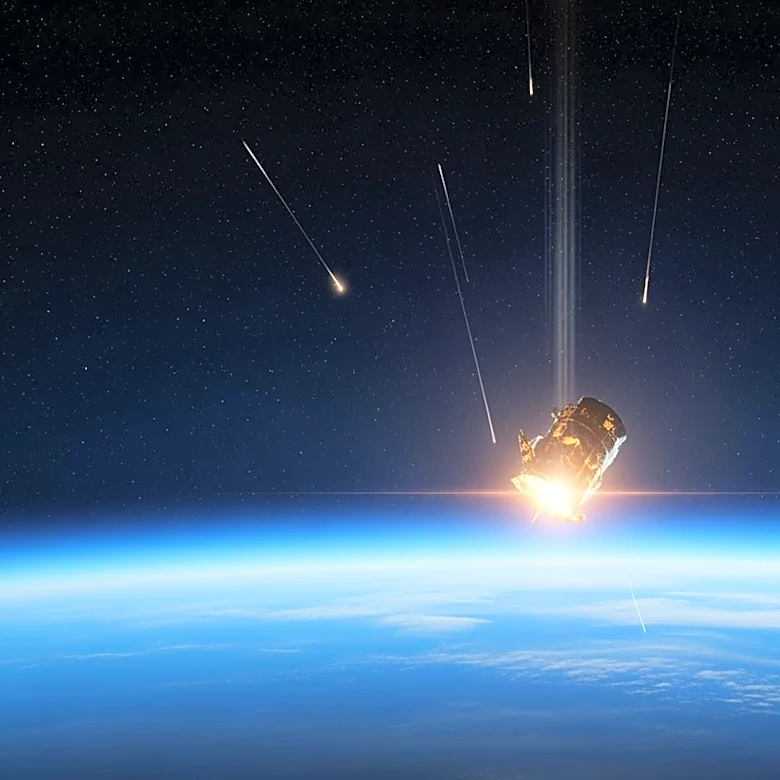
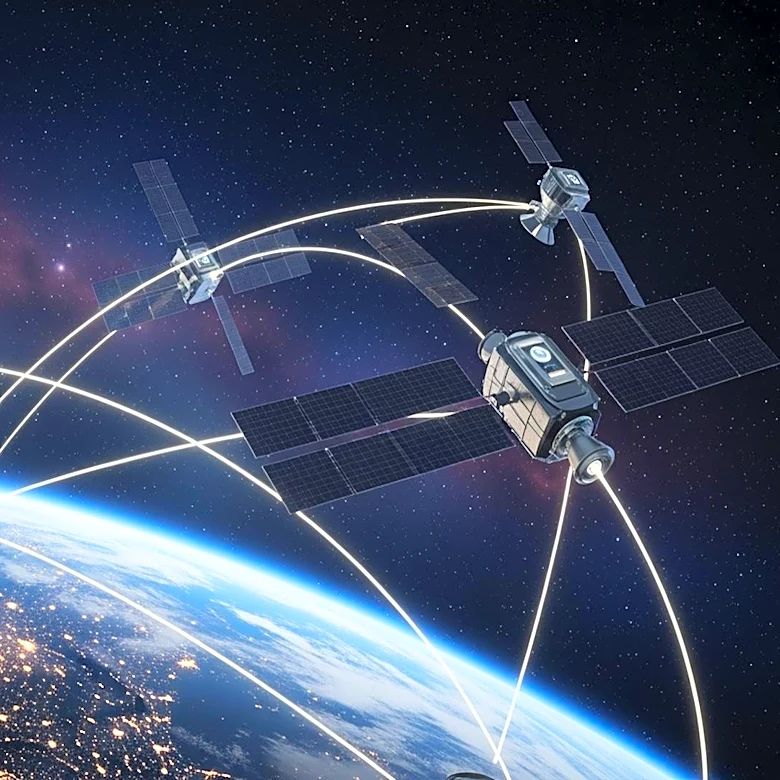
Space debris, also known as orbital debris, refers to human-made objects in space that are no longer functional. This includes inactive satellites, spent rocket stages, and fragments from collisions. Recently, a glowing object, identified as space debris, was observed streaking across the sky in Lampung, Indonesia. This phenomenon occurs when debris in low Earth orbit (LEO) experiences air resistance, causing it to slow down and eventually descend towards Earth. During re-entry, the debris travels at high speeds, generating intense heat due to friction with air particles, which causes most of it to burn up and disintegrate. However, larger objects or those made of heat-resistant materials may partially survive and fall to Earth. The increase in space debris is attributed to the rising number of satellite launches, particularly internet satellite constellations like SpaceX's Starlink, and anti-satellite weapon tests that create numerous fragments.