Home Composting Methods Offer Solutions for Waste Reduction and Soil Enrichment
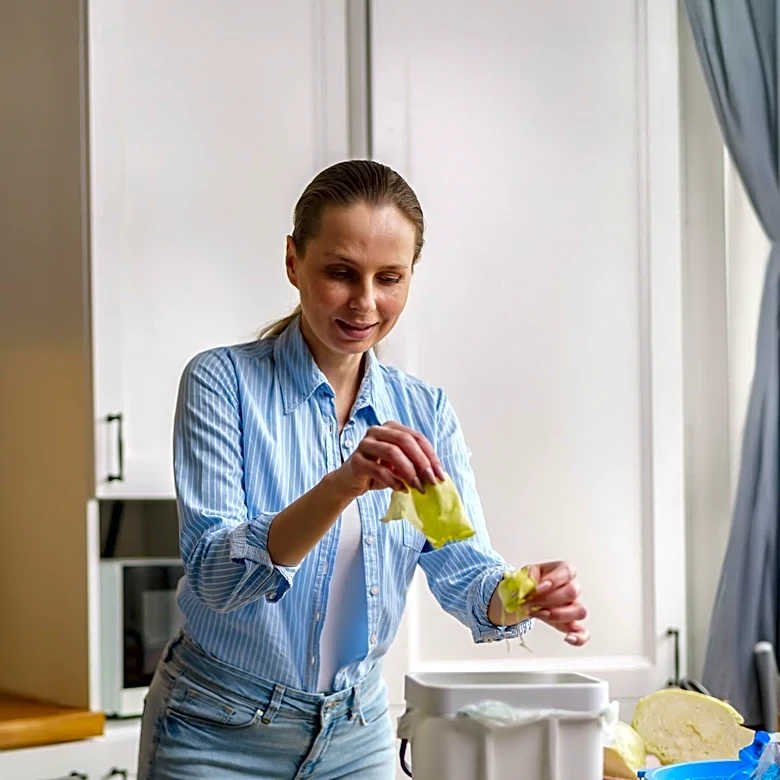
Home composting provides various methods for individuals to convert organic waste into nutrient-rich soil amendments. Key components for successful home composting include a dark bin with a tight-fitting lid and air holes, moist bedding such as shredded paper, and composting worms like red wigglers, alongside food scraps. The process involves mixing nitrogen-rich 'greens' (e.g., fruit and vegetable scraps) with carbon-rich 'browns' (e.g., dry leaves, shredded cardboard) and maintaining proper moisture and aeration. The U.S. Environmental Protection Agency (EPA) suggests a ratio of two to three parts browns to one part greens by volume. Well-maintained compost piles can be ready in three to five months, while untended piles may take up to a year. Composting helps reduce landfill waste and improves soil structure and moisture retention. While some products like Reencle offer indoor composting solutions, the overall effectiveness and best practices for home composting depend on consistent management.