Mexico City Experiences Rapid Sinking, Threatening Infrastructure and Wildlife
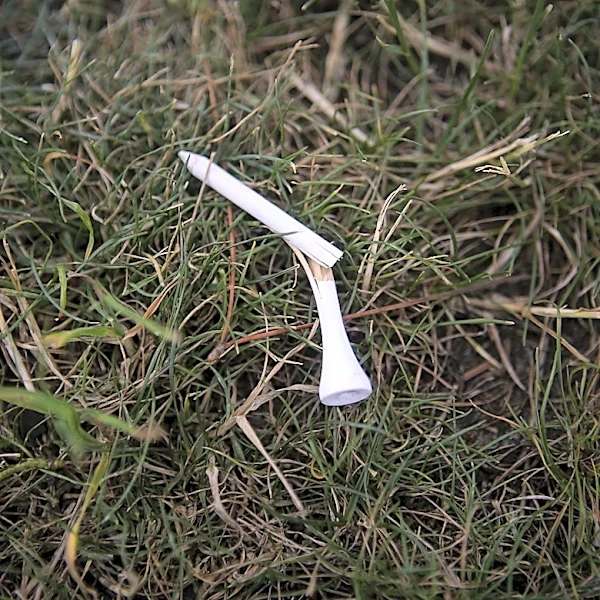
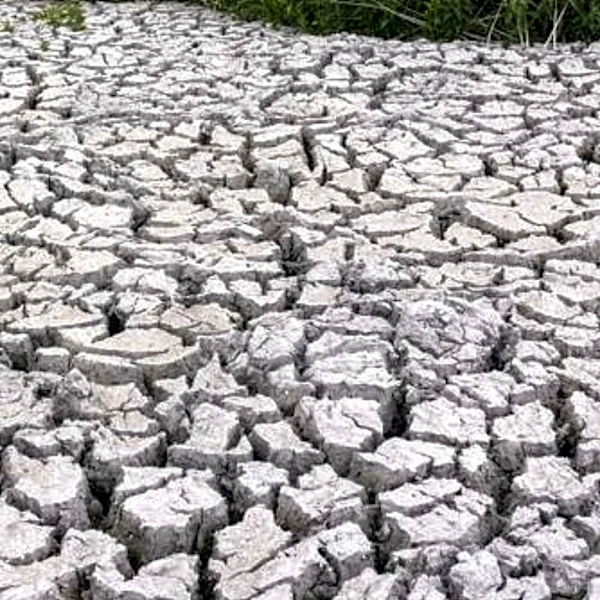
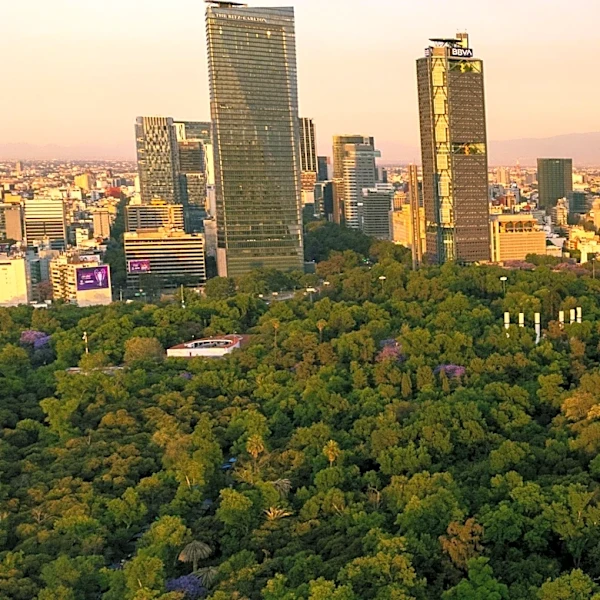
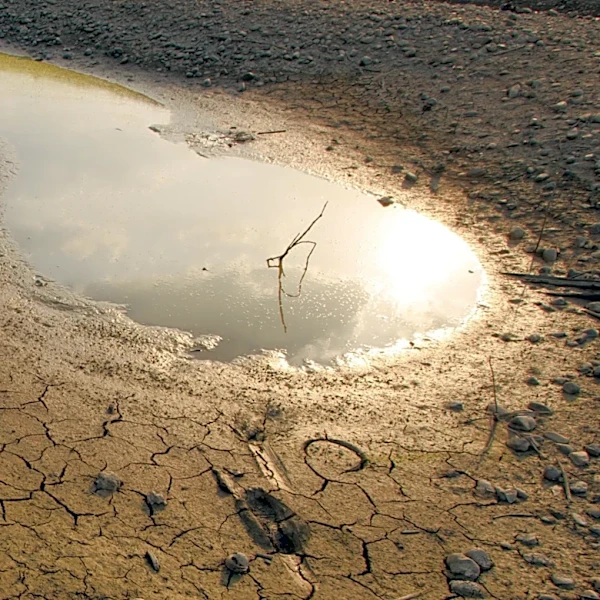
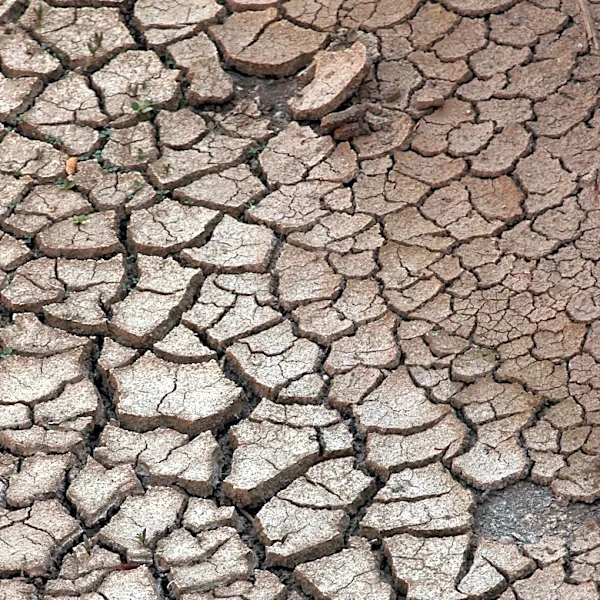
Mexico City is experiencing significant land subsidence, with localized areas sinking at approximately 217mm per year, equivalent to the length of a toothbrush annually. The city's median sinking rate is 8mm per year. This phenomenon, known as land subsidence, involves the gradual compression or collapse of the ground beneath urban areas. While various factors contribute to this, including building, mining, tectonic shifts, earthquakes, and natural soil consolidation, the primary cause is groundwater extraction. As cities expand and demand for freshwater increases, more water is drawn from underground, leading to soil compression and subsequent sinking. A recent study published in Nature Cities, utilizing high-resolution satellite data over nine years, identified Mexico City as one of the global hotspots for severe subsidence. This study, conducted by Shengli Tao, Xie Hu, and colleagues, measured land movement across 465 cities in 107 countries, highlighting the urgency of the issue.