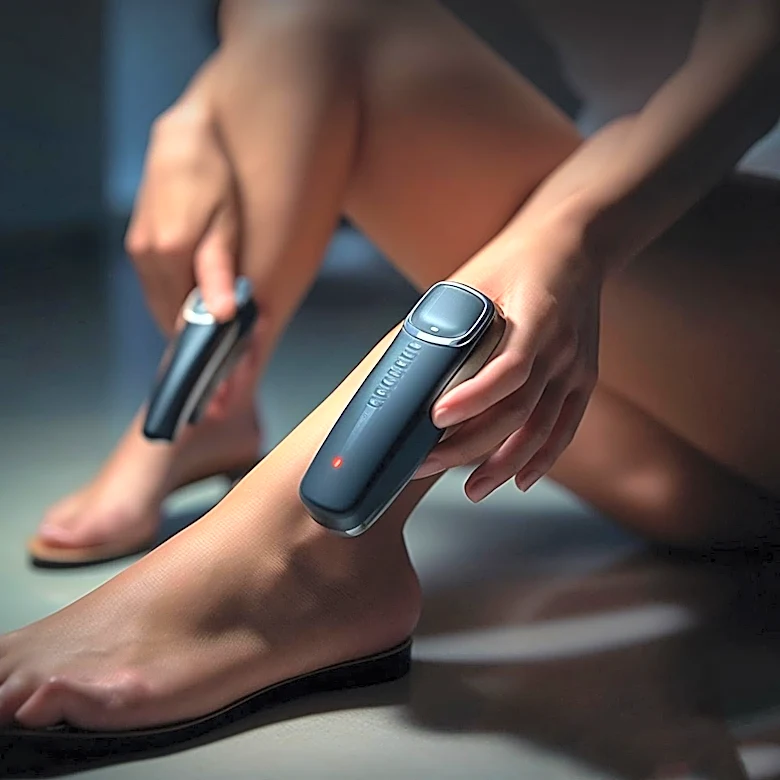
Red Light Therapy Shows Promise for Hair Loss and Knee Pain, Limited Evidence for Other Conditions
Red light therapy, also known as photobiomodulation, involves exposing the body to low levels of red and near-infrared light. The primary theory behind its mechanism is that it influences mitochondria by releasing nitric oxide from cytochrome c oxidase, which can lead to increased ATP production and activate cellular repair signals. While widely marketed for various benefits, scientific evidence supports its efficacy primarily for pattern hair loss and knee osteoarthritis pain. For pattern hair loss, multiple sham-controlled trials and meta-analyses indicate increased hair density. For knee osteoarthritis, studies show a reduction in pain at recommended laser doses. Other applications, such as improving skin texture and acne, have some supporting evidence, while claims for sleep improvement and scar reduction are based on thin evidence. Conversely, claims related to weight loss, detoxification, or testosterone enhancement lack substantial human evidence.