Chesapeake Bay Watershed Found to be Saturated with Microplastics, Raising Environmental and Health Concerns
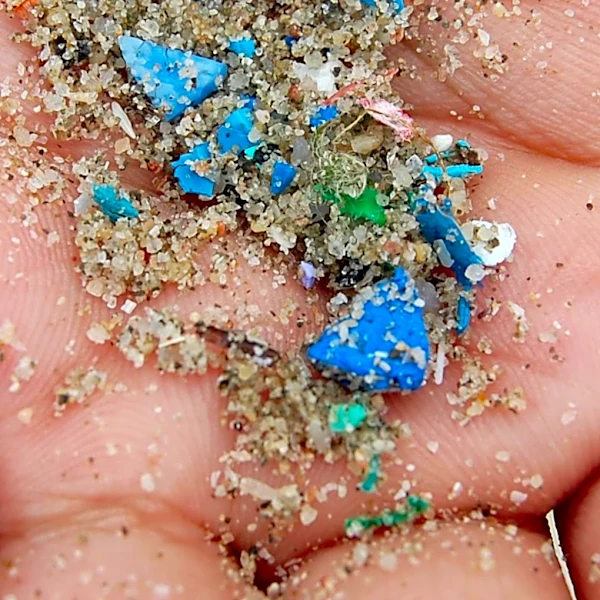
A new study has revealed that the Chesapeake Bay watershed is extensively contaminated with microplastics. The PennEnvironment Research and Policy Center conducted the study, collecting 90 water samples from 15 sites across the Chesapeake Bay and its tributaries, spanning six states (Delaware, Maryland, New York, Pennsylvania, Virginia, West Virginia) and Washington D.C. All samples tested positive for microfibers, 93% contained microfragments, 47% had microfilm, and 27% showed microbeads. Microplastics, defined as plastic fragments up to 5 millimeters long, primarily originate from the breakdown of larger plastic items. Nina Harbison of the Maryland Public Interest Research Group highlighted the critical importance of the Chesapeake Bay, which provides drinking water to approximately 13 million people and is home to hundreds of animal species. The report underscores the pervasive nature of plastic pollution in this vital U.S. ecosystem.