Record-Shattering Heat Wave Impacts Western U.S. Ecosystems
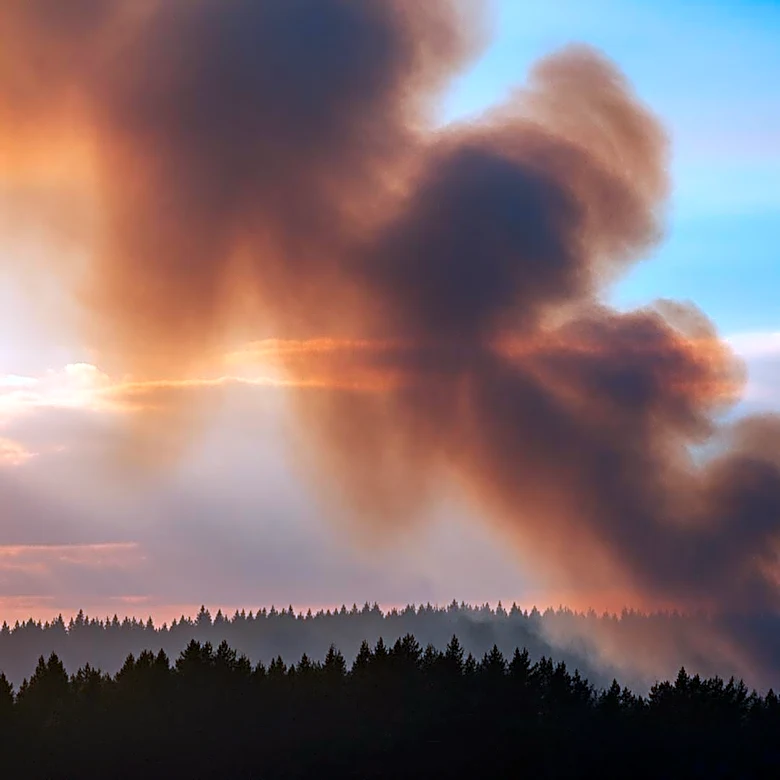
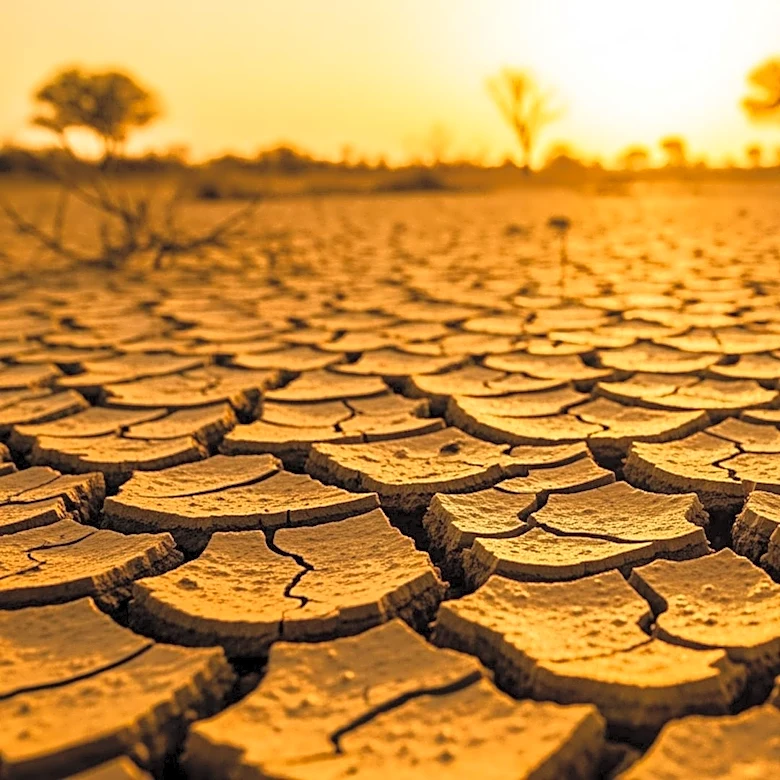
In March 2026, an unprecedented heat wave swept across the Western United States, setting new temperature records from Tucson, Arizona, to Casper, Wyoming. This early and widespread heat wave, attributed to climate change, has raised concerns among scientists about its long-term ecological impacts. The event follows a pattern of increasing heat waves, with researchers drawing parallels to the devastating 2021 heat dome that caused significant ecological damage in the Pacific Northwest. During that event, temperatures soared to 120°F (49°C), resulting in the death of tens of thousands of trees, the collapse of bird populations, and the destruction of marine life. The current heat wave, while not as immediately destructive, comes after a record-breaking hot and dry winter, suggesting potential long-term changes to ecosystems as some species struggle to adapt.