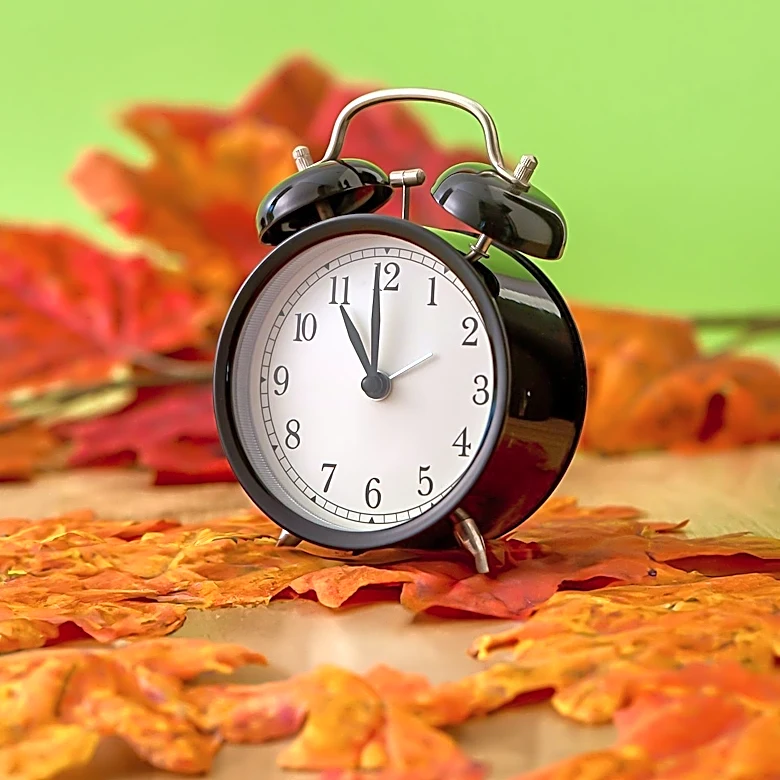
Fall Clock Change Disrupts Circadian Rhythms, Affecting Sleep and Daytime Function
The annual fall clock change, when daylight saving time ends in the U.S. and clocks are set back an hour, significantly impacts human circadian rhythms. This shift, occurring on the first Sunday in November, moves sunrise and sunset an hour earlier on paper, but the body's internal clock, primarily regulated by light reaching the retina, does not immediately adjust. This creates a temporary misalignment between biological time and social time. Research by Charles Czeisler at Harvard and Till Roenneberg on chronotypes has established that sleep quality is heavily dependent on this alignment. The one-hour change, while seemingly minor, can lead to various effects on sleep, mood, and daytime function, including prolonged adjustment periods, shifts in melatonin production and REM sleep, and differing recovery timelines for children, teenagers, and older adults. Some effects are transient, while others highlight the body's sensitivity to even small disruptions in its natural rhythm.