UCSF Scientists Develop Molecular Anchors to Enhance Tumor Therapy Retention
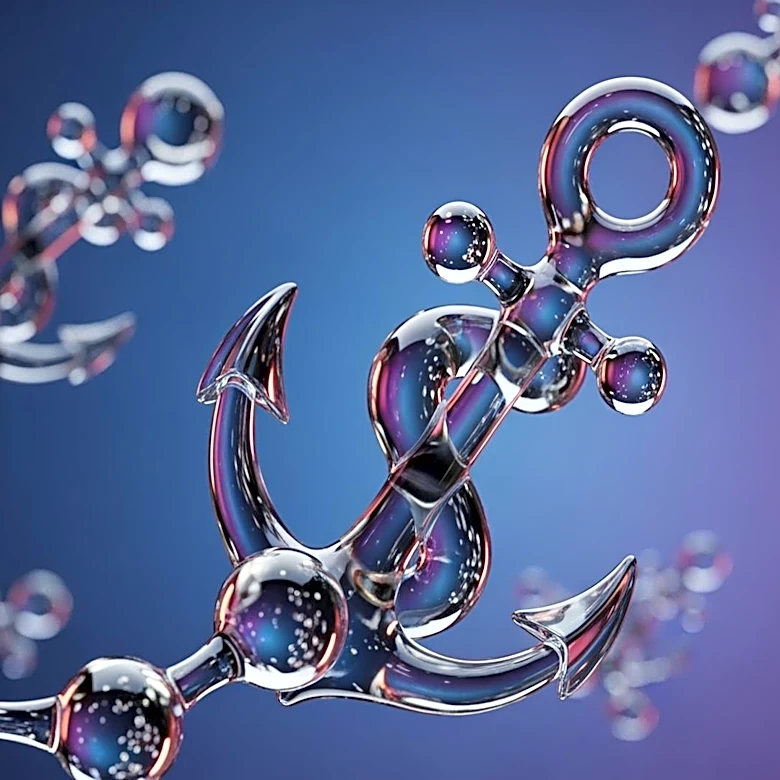
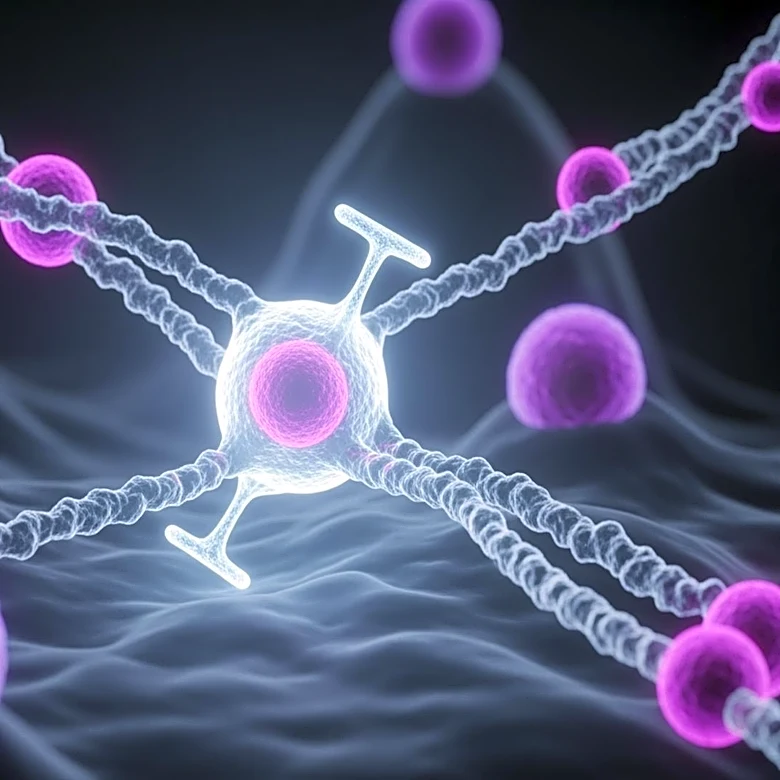
Researchers at the University of California, San Francisco (UCSF) have developed a novel drug delivery system designed to improve the retention and effectiveness of cancer therapies. The system utilizes restricted interaction peptides (RIPs) that anchor therapeutic agents to cancer cell membranes, enhancing drug uptake and retention. This approach addresses a common challenge in cancer treatment, where drugs often lose efficacy shortly after administration due to poor retention in tumor tissues. The study, published in ACS Central Science, demonstrates that these RIPs can effectively deliver diverse therapeutic cargos, including cytotoxins and radioisotopes, by embedding in cell membranes. The research team, led by Michael Evans, PhD, has shown that this method significantly improves the effectiveness of anticancer drugs in both cell cultures and animal models. The team plans to initiate Phase I clinical imaging studies later in 2026 to further explore the potential of RIPs in human cancer patients.