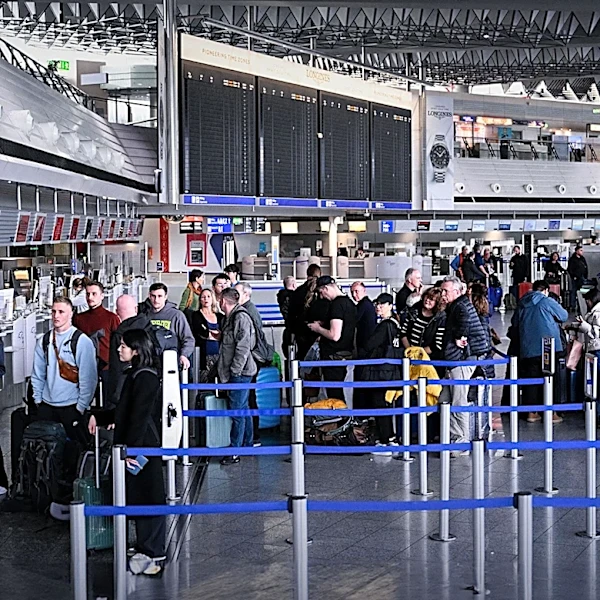
Europe's New Entry-Exit System (EES) Causes Delays and Wrongful Accusations for Non-EU Travelers
Europe's new Entry-Exit System (EES), a digital system designed to record biometric information and entry/exit dates for non-EU visitors in the Schengen Area, has been plagued with problems. The system, intended to replace traditional passport stamps and speed up border checks, has instead led to long queues, slower processing times, and instances of wrongful accusations of overstaying. For example, a British woman, Paula Pugh, was mistakenly accused of overstaying due to the EES database failing to record a previous exit. The EES records fingerprints and facial scans upon a non-EU visitor's first entry, storing this data for subsequent electronic gate processing. However, software glitches, kiosk shortages, and issues with biometric scans have caused significant disruptions, leading to some countries temporarily suspending biometric checks.