Climate Change and El Niño Intensify West Nile Virus Threat in Southern California
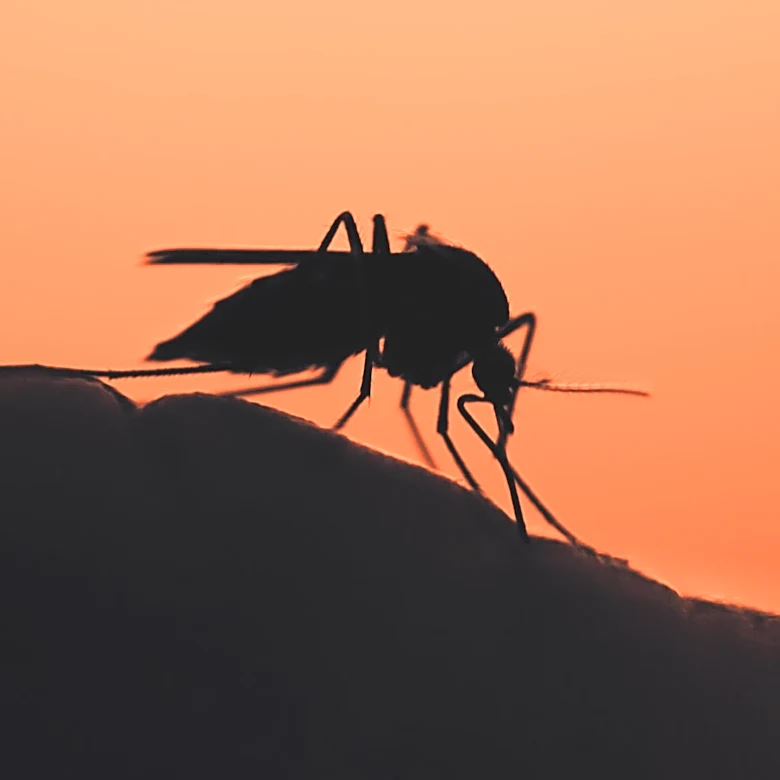
Southern California experienced its most severe mosquito season in a decade, with a significant surge in West Nile virus cases. As of November 6, the virus has sickened 528 people and caused 32 deaths in California, with Los Angeles County reporting over half of the human cases. This increase is attributed to a warm, wet summer and fall, which created ideal conditions for mosquito breeding and virus replication. Research from UC Berkeley indicates a critical temperature threshold: West Nile virus transmission significantly increases when average temperatures rise above 73 degrees Fahrenheit. Coastal Los Angeles, with summer averages hovering around 70 degrees, is particularly vulnerable to slight temperature increases. Extreme weather events, including both heavy rainfall and drought, are contributing to more frequent outbreaks. For instance, a warm storm in September flushed larvicides from storm drains, leading to a surge in mosquito populations. Experts are concerned that the forecast for a strong El Ni...