Genetically Modified Hookworms Developed to Combat Pufferfish Toxin
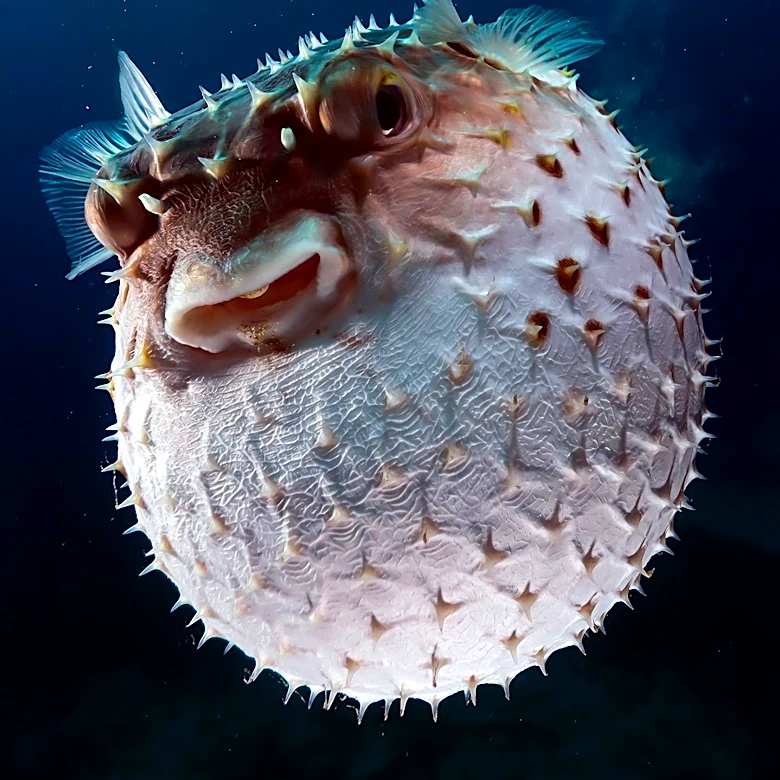
Researchers have successfully genetically modified the human hookworm Ancylostoma ceylanicum to produce a therapeutic antibody that neutralizes tetrodotoxin, a potent neurotoxin found in pufferfish. Using CRISPR/Cas9 gene editing technology, the team at Washington University School of Medicine engineered the hookworms to release the antibody into the host's system. This breakthrough marks the first stable genetic modification of a human hookworm, transforming the parasite into a potential living medicine factory. The modified hookworms can reside in the host's small intestine for several years, secreting proteins that may benefit the host. The study, published in Nature Communications, demonstrates the feasibility of using parasites as long-term drug delivery systems.