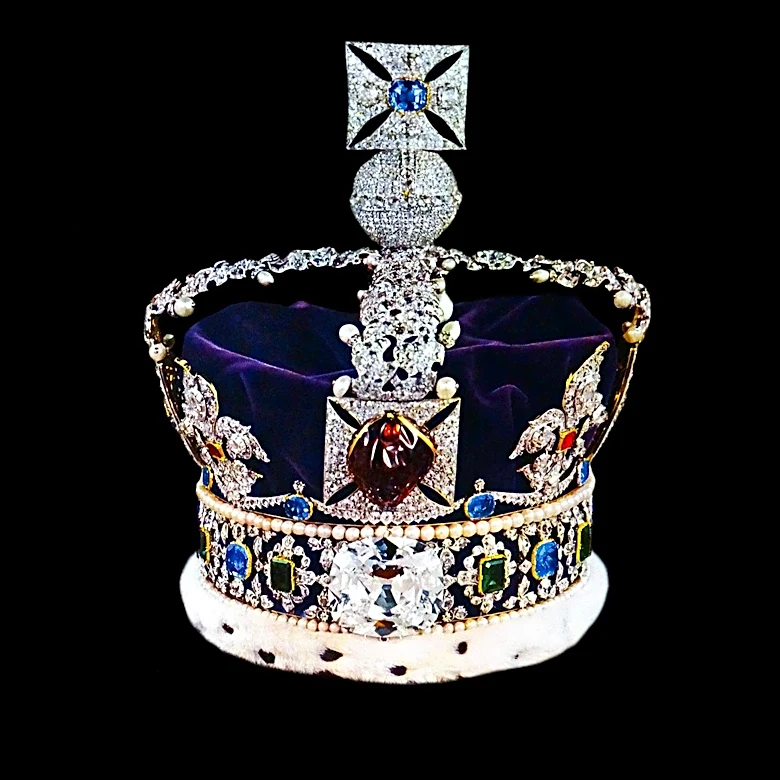
Koh-i-Noor Diamond's Cursed History and Colonial Symbolism Detailed
The Koh-i-Noor diamond, a jewel with a long and often violent history, is being re-examined for its origins and the legends surrounding it. Historically, the diamond has been associated with misfortune for its male owners and has been avoided by female royals in recent decades. Beyond its alleged curse, the Koh-i-Noor is also recognized as a potent symbol of the United Kingdom's colonial rule in India. Its true origins are lost to time, but India was the sole source of diamonds until 1725, suggesting its discovery in one of the country's mines. The diamond's first definitive appearance in written records dates back to 1628, when it was part of a gemstone-covered throne built for the 17th-century Mughal ruler Shah Jahan. Eyewitness accounts from the 1740s describe the diamond, then known as the 'Mountain of Light,' as being set into a peacock on top of the throne, with a value considered immeasurable.