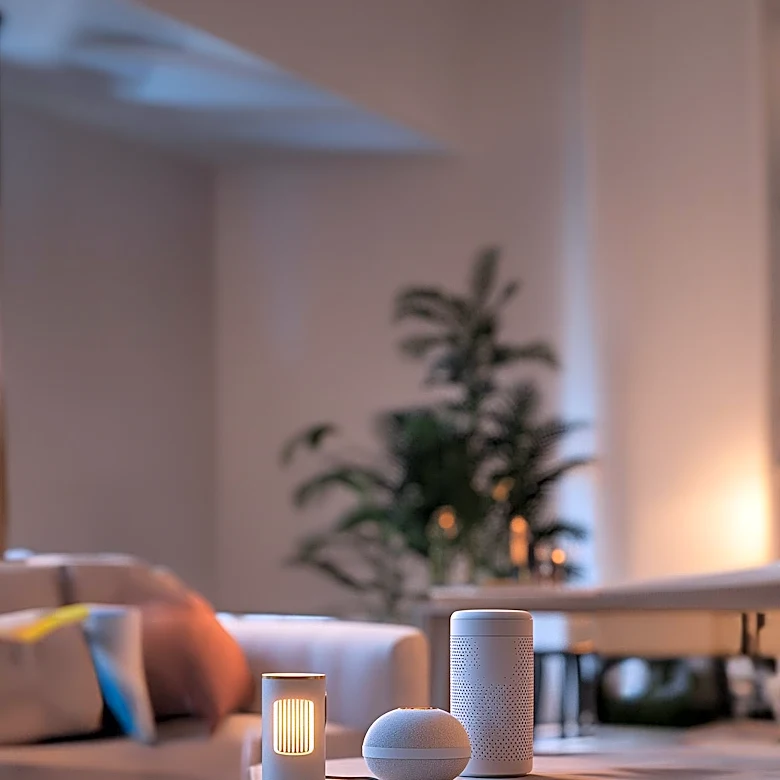
Smart Home Interior Design Emphasizes Early Technology Integration for Optimal Functionality
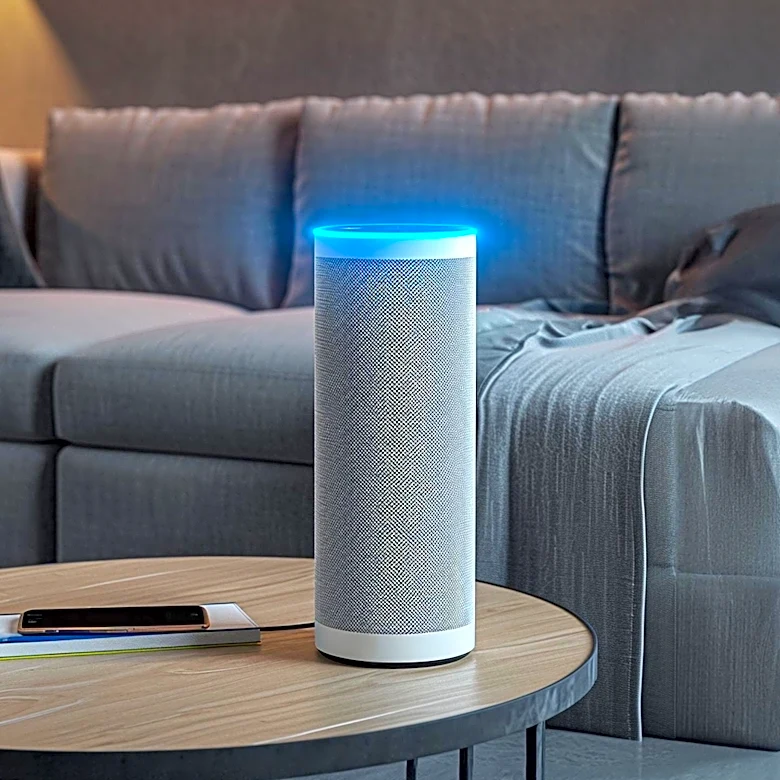
Smart home interior design is evolving to prioritize the integration of technology from the initial planning stages of a room, rather than adding devices as an afterthought. This approach ensures that elements like lighting, climate controls, motorized shades, speakers, security devices, and Wi-Fi infrastructure are seamlessly incorporated into the layout. The goal is to create functional and aesthetically pleasing spaces where technology enhances daily life without clutter. Key considerations include checking device compatibility, especially with emerging standards like Matter, and planning for reliable power, easy controls, and network coverage. Energy efficiency is also a significant factor, with organizations like ENERGY STAR promoting smart home energy management systems (SHEMS) that include certified smart thermostats, lighting, and plug-load controls. This proactive design strategy aims to prevent issues such as visible wiring, insufficient power outlets, or poor Wi-Fi connectivity, which can arise ...