Scientists Uncover Reasons for Astronaut Constipation and Associated Health Risks in Space
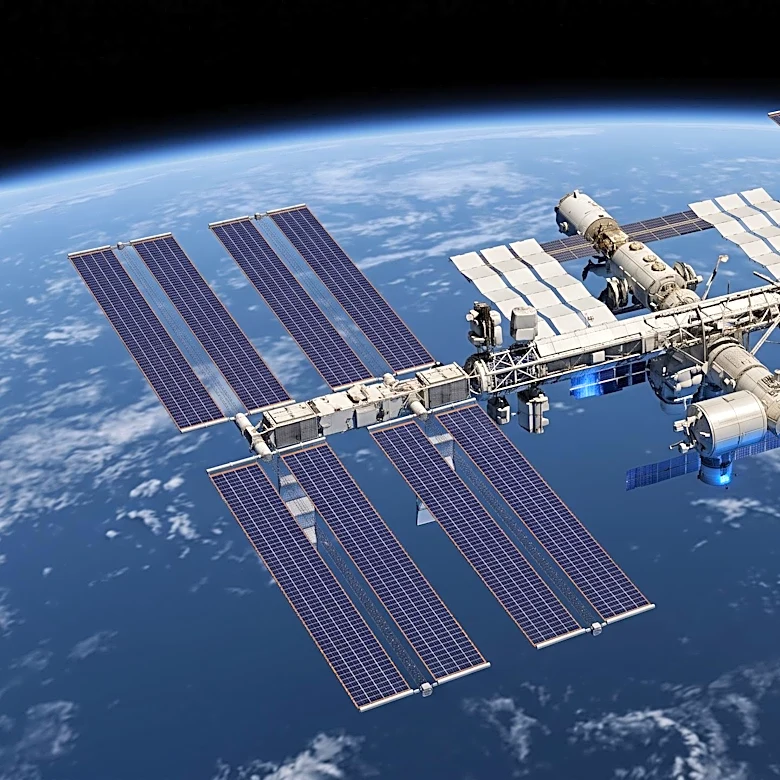
A new NASA-backed study has identified the primary reasons why astronauts experience constipation in space and revealed potential health risks associated with this issue during long-duration missions. Researchers analyzed over 400 blood samples from 52 astronauts who spent more than two months on the International Space Station (ISS) between 2006 and 2018. The study, published in the journal Nature Communications, found that microgravity causes food to move more slowly through the intestine. This slower transit allows gut bacteria to break down complex carbohydrates more thoroughly, eventually leading them to ferment proteins instead. This protein fermentation, which begins within weeks of arriving in space and persists until return to Earth, results in changes in astronauts' blood samples, indicating a shift in gut microbial activity. While dietary changes, such as altered caffeine, fish, and fat intake, can influence constipation, they account for less than one-third of the observed metabolic changes, co...