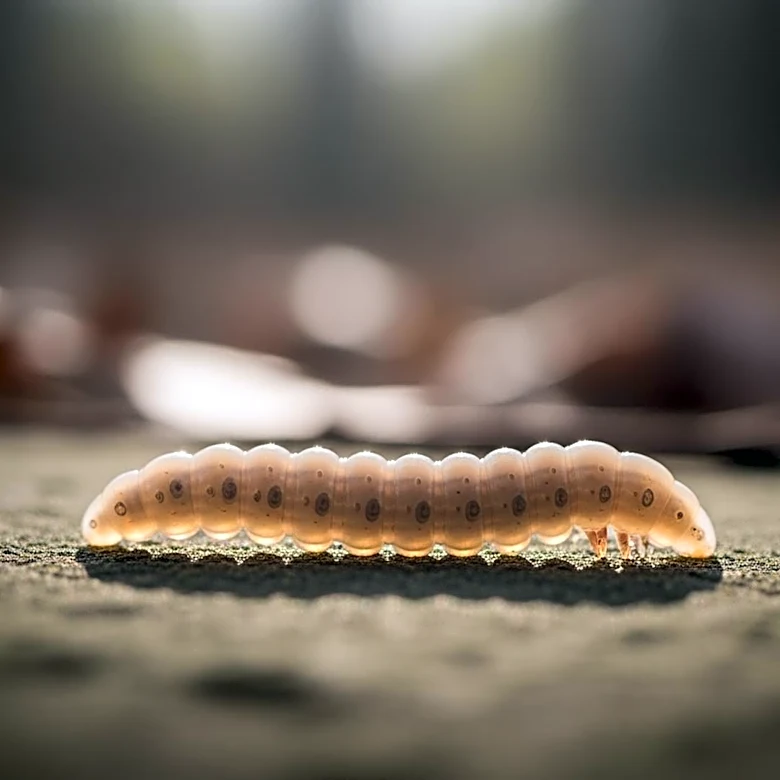
Parasitic Tapeworm Detected in Washington Coyotes Poses Risk to Dogs and Humans
A University of Washington study has identified the presence of the parasitic tapeworm Echinococcus multilocularis in one-third of coyotes surveyed in the Puget Sound region. This tapeworm, which can infect domestic dogs and humans, was previously rare in North America but has been spreading across the continent. The study, published in PLOS Neglected Tropical Diseases, marks the first detection of this parasite in a wild host on the West Coast of the contiguous U.S. E. multilocularis can cause severe disease in humans and dogs, leading to cancer-like cysts in the liver and other organs. The parasite's life cycle involves canids, rodents, and accidental hosts like humans and dogs, with the latter becoming infected through contaminated food or feces.