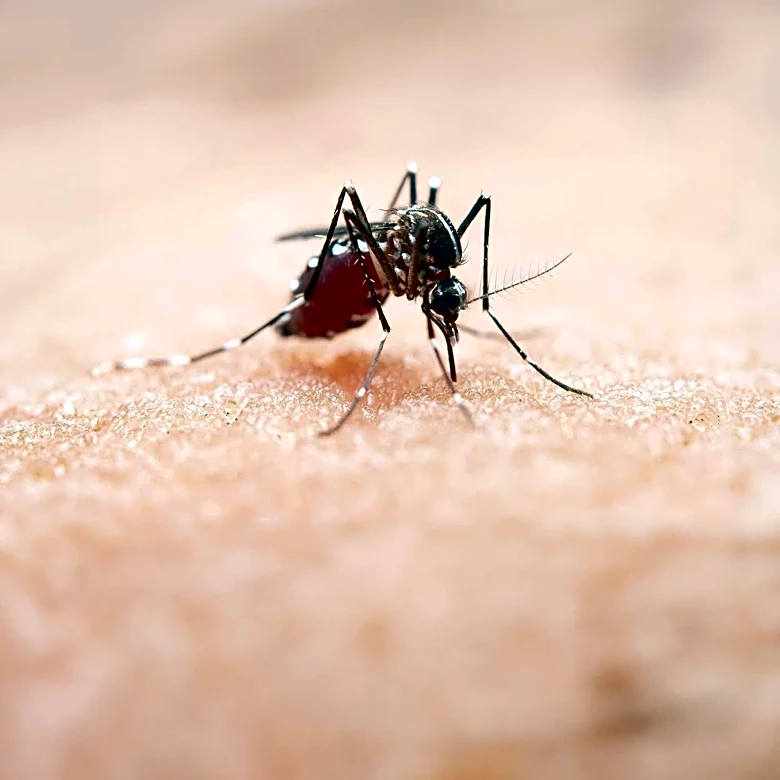
Aedes aegypti Mosquito Poses Significant Daytime Disease Threat in U.S.
The Aedes aegypti mosquito, also known as the yellow fever mosquito, is a significant daytime feeder and a highly effective vector for diseases such as dengue fever, Zika, chikungunya, and yellow fever. Unlike many other mosquito species that are active at night, Aedes aegypti is most active during the early morning and late afternoon. This species has adapted to human environments, often living indoors or near homes, and preferentially targets human ankles and feet. Female Aedes aegypti can lay eggs in minimal amounts of standing water, even as little as a bottle cap full, making their eradication challenging. While native to Africa, these mosquitoes have spread globally and are now a concern in U.S. states like Texas, Florida, and California, which have temperate climates and large human populations.