Self-Driving Cars Struggle in Adverse Conditions; Brain-Inspired AI Offers Solution
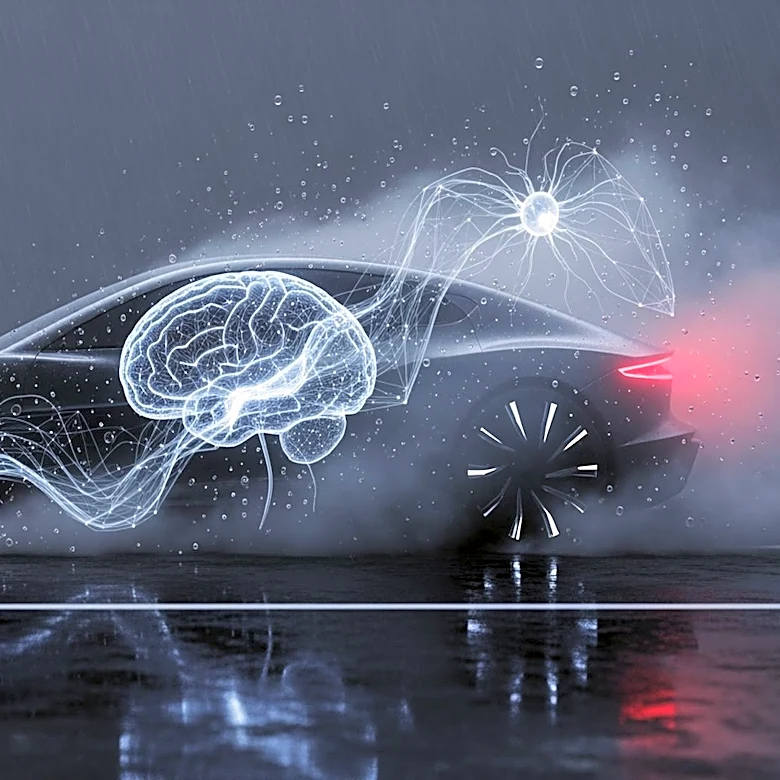
Research from the University of Valencia suggests that self-driving cars can be made safer by imitating the human brain's ability to adapt to changing conditions. Current AI systems in self-driving cars perform well in clear conditions but struggle in fog, rain, or darkness. The study proposes using a brain-inspired mechanism called divisive normalization, which allows neurons to work together to enhance visibility in varying conditions. By integrating this mechanism into AI models, researchers found that self-driving cars could maintain performance even in adverse weather, improving safety by more than 20% compared to standard AI systems.