Researchers Discover Preserved Blood Vessels in T. Rex Rib, Offering New Insights into Fossilization
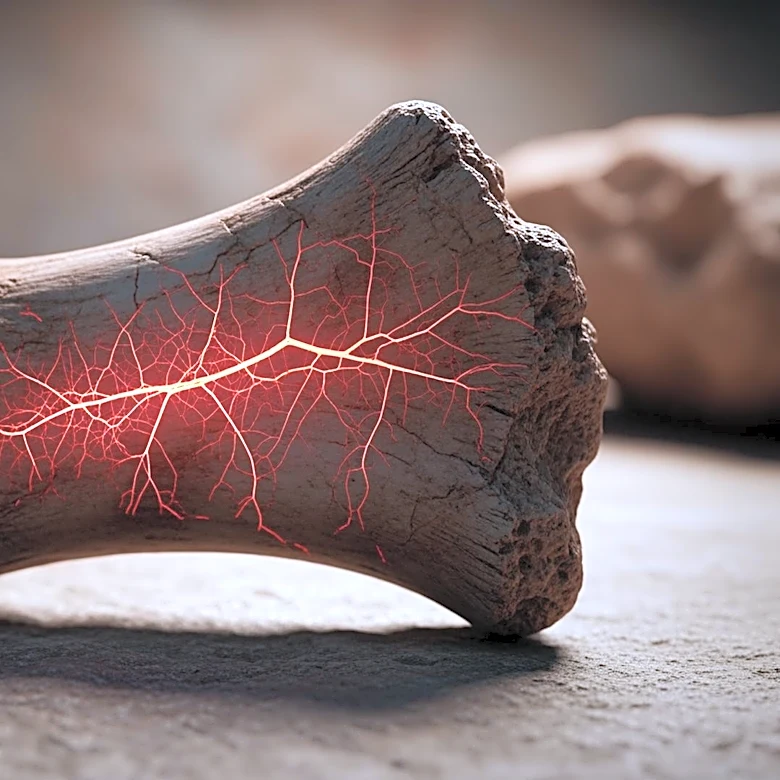
Scientists have uncovered a network of preserved blood vessels inside a fractured rib of a Tyrannosaurus rex, known as Scotty, housed at the Royal Saskatchewan Museum in Canada. The structures, mineralized over 66 million years, suggest a biological response to a bone injury that was healing at the time of the dinosaur's death. The research, published in Scientific Reports, indicates that the heightened vascular activity due to the injury may have created conditions favorable for preservation. Using synchrotron micro-computed tomography, researchers examined the fossil's interior, revealing tubular structures indicative of angiogenesis, a process where new blood vessels form to support tissue repair. Chemical analysis identified these as iron-rich permineralized casts, filled with iron minerals during fossilization.