Lake Mead's Low Water Levels Threaten Historic Water Agreement
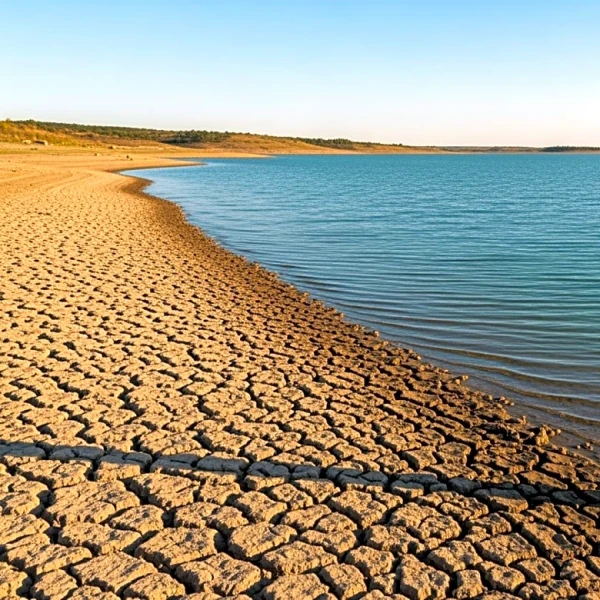
Lake Mead, a crucial reservoir in the western United States, is facing dangerously low water levels, raising concerns about breaching the 1922 Colorado River Compact. This century-old agreement dictates water distribution among seven western states. Currently, Lake Mead is only one-third full, with water levels at 1,065.78 feet above sea level, significantly below its full capacity. The Upper Basin states, including Colorado, Wyoming, Utah, and New Mexico, are required to deliver a rolling average of 75 million acre-feet of water over ten years to the Lower Basin states, which include California, Arizona, and Nevada. However, ongoing depletion and unresolved disputes over river operations threaten these obligations. The U.S. Bureau of Reclamation, which manages Lake Mead, has been contacted for comment as officials warn that failure to reach a new agreement could lead to federal intervention.