Russian Avant-Garde Artists Drew Inspiration from Ancient Religious Icons
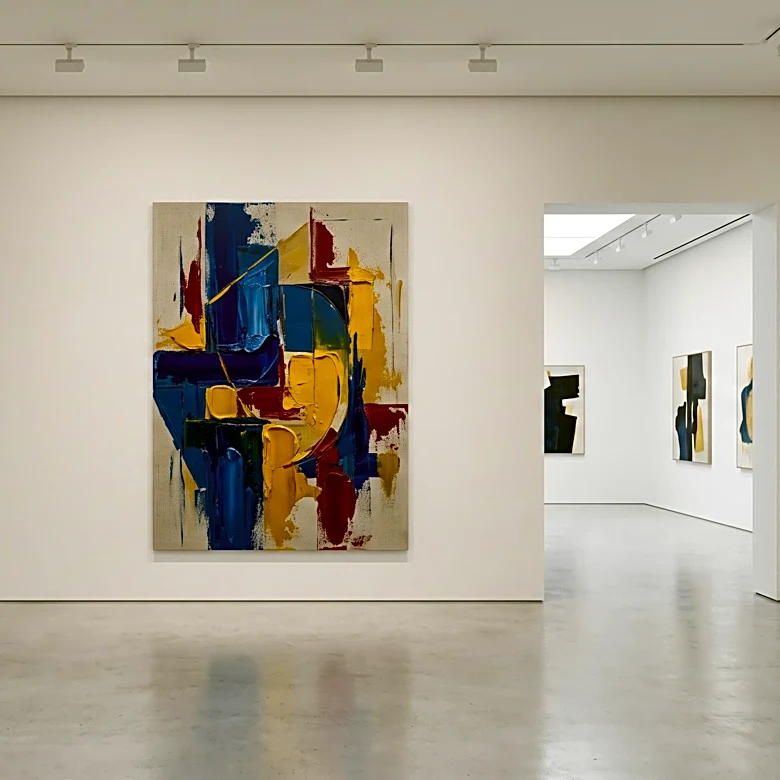
Russian avant-garde artists in the early 20th century, including figures like Mikhail Larionov and Natalia Goncharova, were significantly influenced by ancient religious icons. This inspiration stemmed from a major cultural event: the 'revelation' of these icons after centuries of being hidden under layers of varnish and overpainting. The restoration of Andrei Rublev’s ‘Trinity’ in 1905 was particularly impactful, showcasing vibrant colors, concise forms, and remarkable expressiveness. Artists were drawn to the formal techniques of icon painting, such as 'reverse perspective,' where lines converge towards the viewer, creating a sense of movement. This technique, previously dismissed as 'incorrect' in academic painting, resonated with the avant-garde's quest for new artistic perceptions. The stylized nature of icons, with figures existing on a flat plane and the use of pure, vivid colors and distinct outlines, also appealed to these artists, who sought a 'pure' art free from everyday burdens and objectivity...