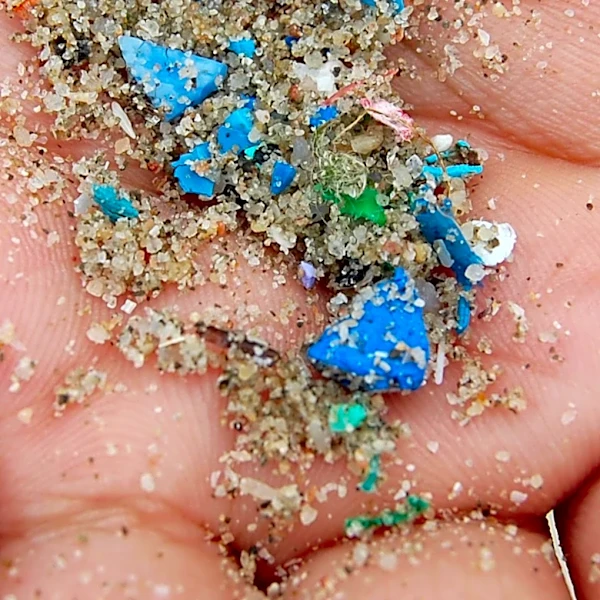
Researchers Study Microplastic Spread by Major Storms in North Carolina
Researchers are investigating how large storms, such as Hurricane Helene in 2024, contribute to the spread of microplastics in the environment, particularly in western North Carolina. Austin Gray, a biologist at Virginia Tech, and his team were already studying microplastic deposition in streams and waterways when Hurricane Helene struck. This provided a unique opportunity to collect data before, during, and after a major tropical system, a rare occurrence in the Western Hemisphere for such a powerful storm. Jason Love, associate director at the Highlands biological station, reported that during the three days of the storm, over 10,000 microplastics per square meter were collected, representing about 20% of the total microplastics typically found over an entire year. Microplastics originate from the breakdown of larger plastic items like water bottles, shopping bags, and tires, and can be projected into the atmosphere by clashing waves in oceans and river networks.