Research Highlights Biodiversity's Role in Enhancing Crop Resilience and Soil Health
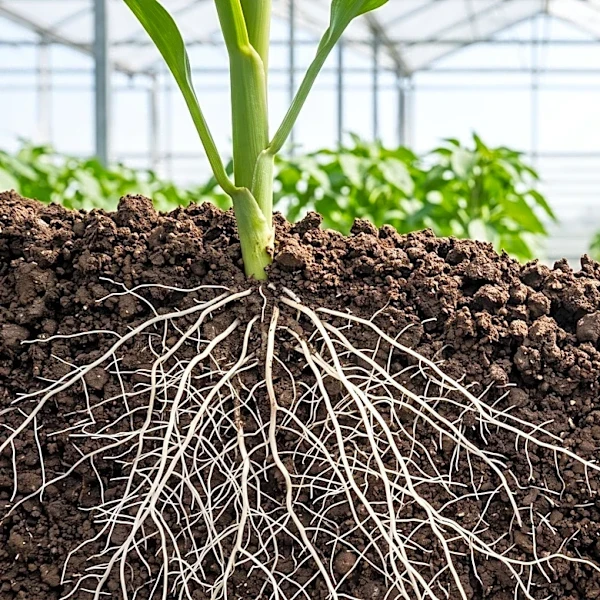
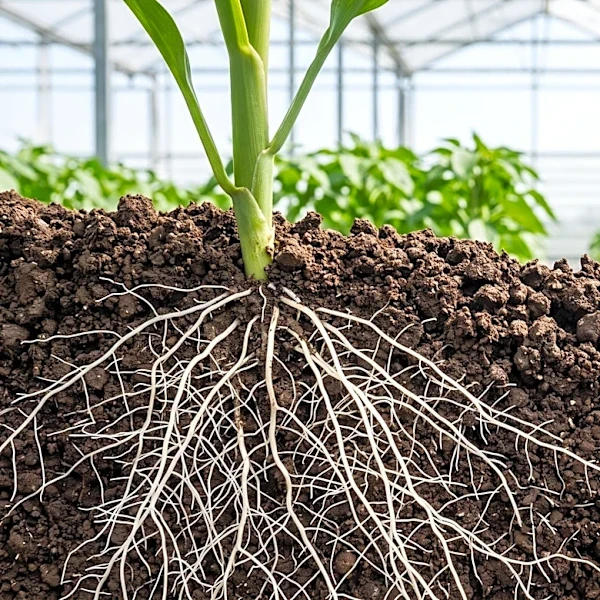
A two-decade-long experiment, known as the Jena Experiment, has revealed that diverse plant communities significantly outperform monocultures in agricultural systems. The study, which monitored 82 grassland plots with varying species counts, found that plots with 16 or more species exhibited triple the soil carbon storage, built topsoil 2.7 times faster, supported 45% more pollinators, and were 50% more drought-resistant compared to monocultures. Beyond these metrics, the research observed sophisticated sharing networks developing among plant species, indicating active cooperation rather than mere coexistence. This challenges the traditional agricultural assumption that plant performance can be predicted based on individual traits, as the most productive combinations were those that had time to adapt to each other. The experiment also showed that below-ground, these diverse communities fostered extensive mycorrhizal connections and unprecedented microbial diversity, essentially creating new ecosystems. The...