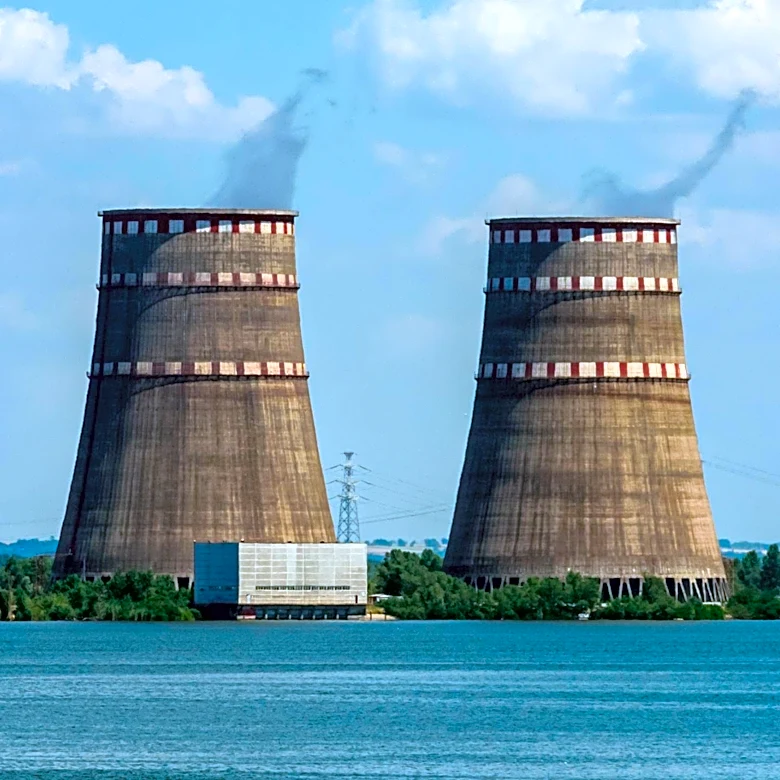
Heatwaves Challenge Nuclear Power Reliability in Europe, Raising Questions on 'Green' Status
Europe's recent heatwaves have exposed vulnerabilities in nuclear power generation, leading to temporary shutdowns or reduced output at several plants in France, Hungary, and Romania. Nuclear power plants require vast amounts of water for cooling, and the extreme heat combined with drought conditions has significantly lowered water levels in major rivers, impacting their operational capacity. This situation highlights a critical challenge for nuclear energy, often touted as a clean and reliable baseload power source, as its performance is increasingly susceptible to climate-related events. While nuclear energy does not emit carbon dioxide during electricity generation, experts point out that its overall carbon footprint includes embodied carbon from construction, uranium mining, transport, and waste disposal. The Fukushima Daiichi Nuclear Power Plant meltdown in 2011 initially led many countries to reconsider nuclear expansion, but recent energy crises have reignited calls for its increased use.