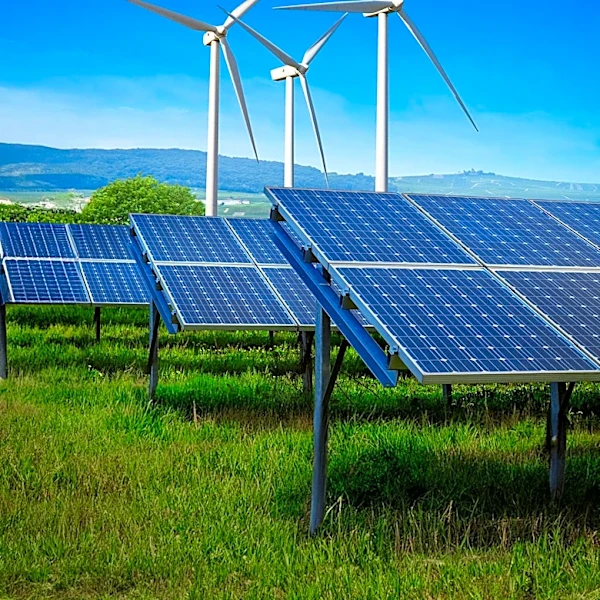
Green Energy Defined by Low Environmental Impact and Renewable Sources
Green energy is defined as power derived from sources that have a low environmental impact throughout their entire lifecycle, from equipment manufacturing to operation and eventual retirement. While often overlapping with renewable energy, which comes from natural sources that replenish faster than they are consumed (like sunlight and wind), green energy specifically emphasizes minimal ecological harm. For example, a large reservoir hydropower project, though renewable, might not be considered 'green' if it causes significant environmental disruption like flooding land or altering river flows. Similarly, bioenergy, while renewable, can have environmental trade-offs related to land and water use. The main types of green energy include solar power from photovoltaic panels, wind power from turbines, hydropower from moving water, geothermal energy from Earth's heat, bioenergy from organic materials, and green hydrogen produced using renewable electricity. Each of these sources has specific limitations, such as...