Bright Moon to Diminish Visibility of Eta Aquarid Meteor Shower from Halley’s Comet Debris
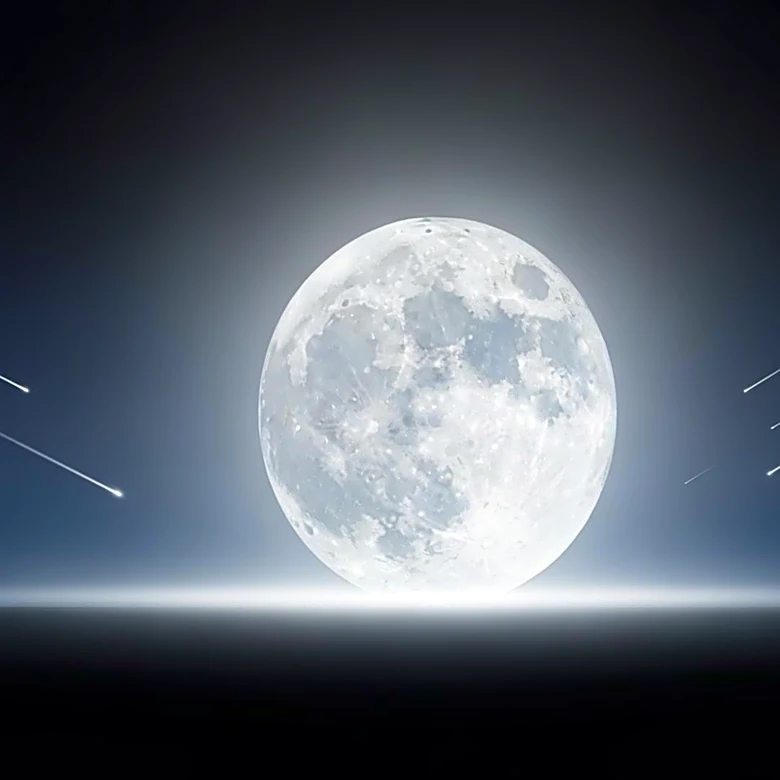
The Eta Aquarid meteor shower, which originates from debris left by Halley’s Comet, is set to peak on Tuesday night into Wednesday morning. However, a bright moon is expected to reduce the visibility of the meteor shower significantly. Typically, viewers in the Southern Hemisphere can observe up to 50 meteors per hour during the peak. This year, the moon's brightness could cut that number by half. In the Northern Hemisphere, the visibility is expected to be even lower, with fewer than 10 meteors per hour. Teri Gee, manager of the Barlow Planetarium in Wisconsin, noted that the farther south one is, the better the view will be. Meteor showers occur when Earth passes through trails of debris from comets or asteroids, creating streaks of light known as shooting stars.