Food Poisoning Can Lead to Long-Term Gut Issues, Including Post-Infectious Irritable Bowel Syndrome
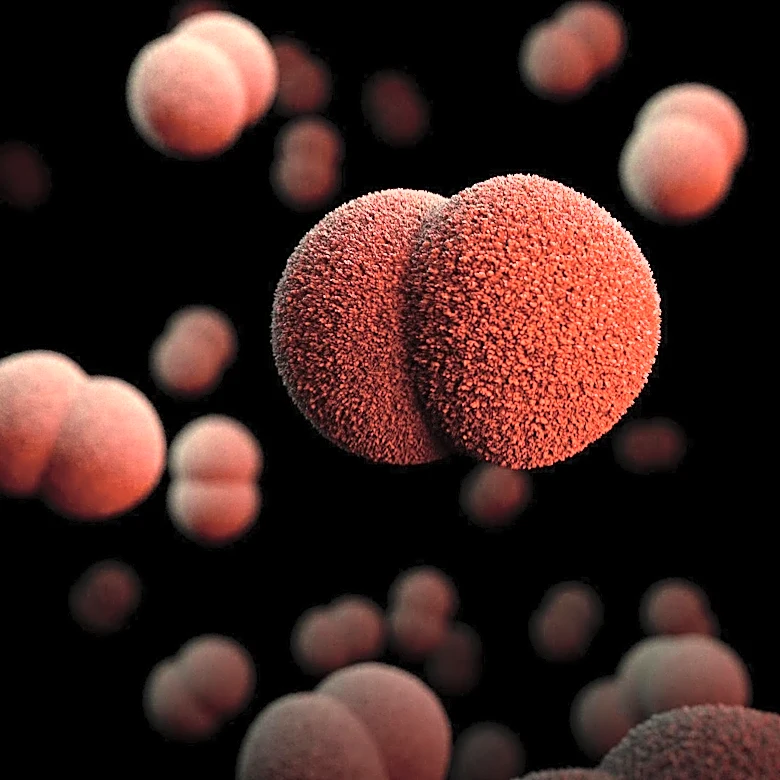
Food poisoning, a common ailment affecting an estimated 48 million people annually in the U.S., can sometimes lead to chronic gastrointestinal problems such as post-infectious irritable bowel syndrome (PI-IBS). While many cases of foodborne illness resolve within a few hours to a week, a significant percentage of individuals, approximately 14.5%, develop PI-IBS after acute gastroenteritis. This condition is characterized by persistent abdominal pain, discomfort, and altered bowel habits, including diarrhea, constipation, bloating, and gas. Food poisoning triggers inflammation in the gastrointestinal tract, disrupts gut lining, and can alter the gut microbiome, setting the stage for these long-term symptoms. Bacterial infections and waterborne parasites like Cyclospora are particularly associated with a higher risk of developing PI-IBS.