Wearable Health Technology Data Requires Medical Consultation for Accurate Diagnosis
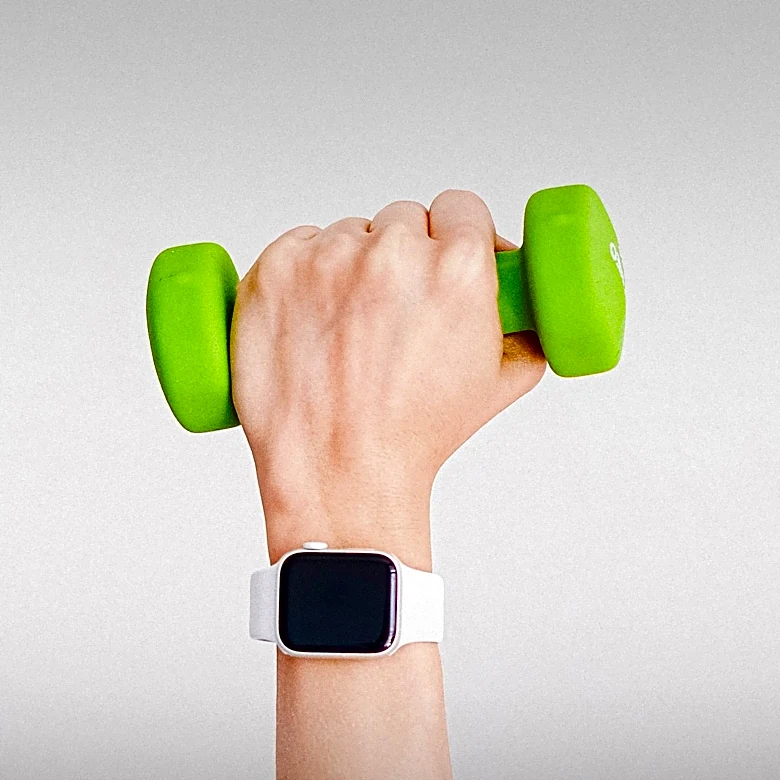
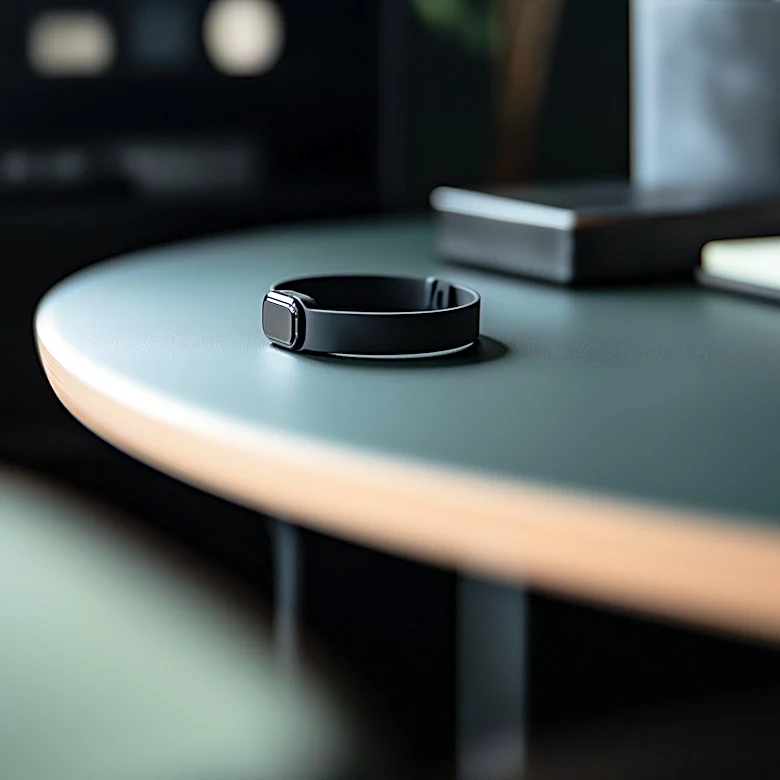
Wearable health devices, such as smartwatches and rings, provide individuals with a constant stream of personal health data, including blood oxygen levels, heart rate, sleep patterns, and stress. While these devices offer insights into health and habits outside traditional clinical settings, the data they generate should not be confused with a medical diagnosis. According to UCLA Health, physicians consider a comprehensive range of factors, including medical data, family history, health history, symptoms, and environment, when making a diagnosis. Most consumer health metrics are derived from proprietary algorithms, which are more effective for identifying patterns than for providing a definitive medical diagnosis. A review of 42 scientific studies on consumer wearables indicated inconsistent accuracy across various groups and settings, with only heart rate measurement and atrial fibrillation detection consistently showing clinical benefit. Therefore, individuals are advised to consult their primary care ph...