Lawrence Livermore National Laboratory Observes Hydrogen-Uranium Reaction, Aiming to Enhance Nuclear Safety
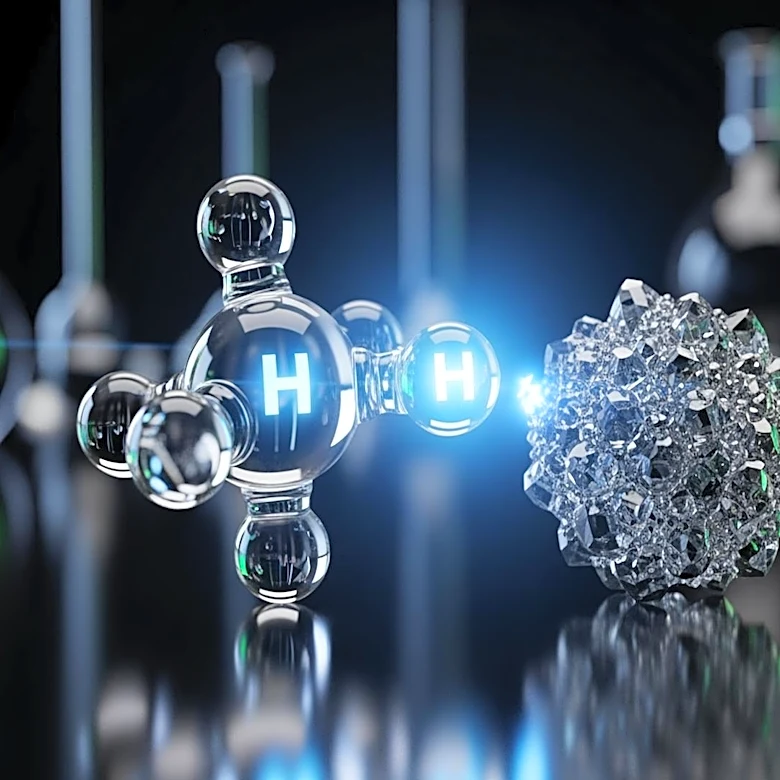
Researchers at Lawrence Livermore National Laboratory (LLNL) have successfully observed the initial stages of hydrogen-uranium corrosion, a significant breakthrough in understanding material degradation in nuclear technology. The study, published in npj Materials Degradation, utilized white-light interferometry to capture the formation of uranium hydride blisters on uranium surfaces. This reaction, which occurs when hydrogen gas interacts with uranium metal, results in the creation of a chemically reactive powder that can compromise the safety and longevity of nuclear fuels and hydrogen storage systems. The research aims to develop predictive models for uranium component degradation, crucial for the design of durable fusion reactors and nuclear fuels.