Tate Gallery's Historic Van Gogh Exhibition and Its Legacy
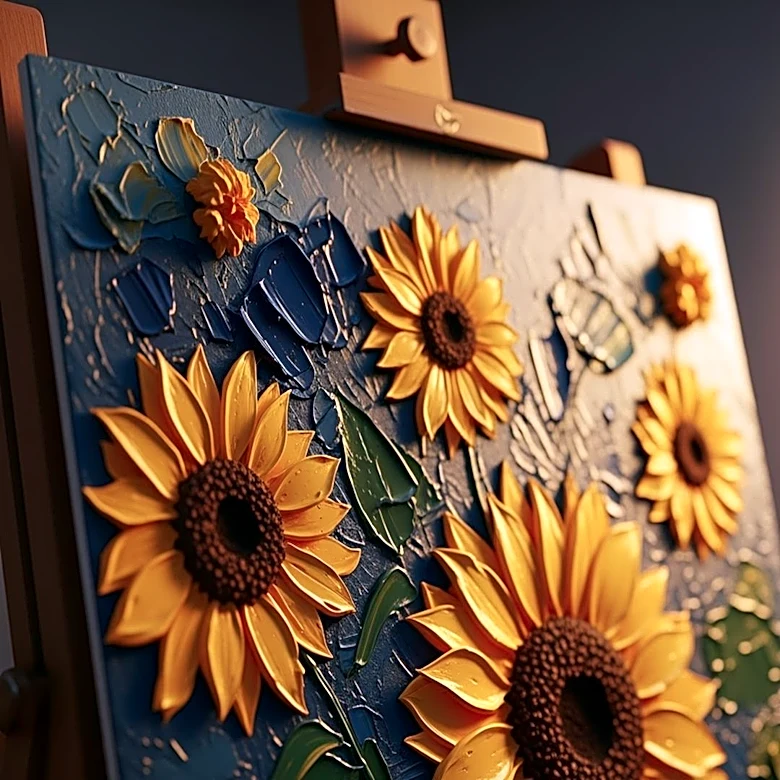
In June 1926, London's Tate Gallery opened its first rooms dedicated to 'modern foreign' art, marking a significant expansion from its original focus on British art. The event was graced by King George V and Queen Mary, highlighting its importance. The gallery showcased over 250 works, including five pieces by Vincent Van Gogh, all loaned by British collectors. These works were displayed in a new extension funded by Joseph Duveen. Over time, the Van Gogh pieces have been re-evaluated and retitled, reflecting advances in art scholarship. Notably, one of the pieces, 'Still life with Daisies and Poppies,' was later identified as a fake. The exhibition played a crucial role in broadening the Tate's collection, which has since grown to include thousands of international works.