Levittown's Legacy: Post-WWII Housing Boom Excludes Black Families
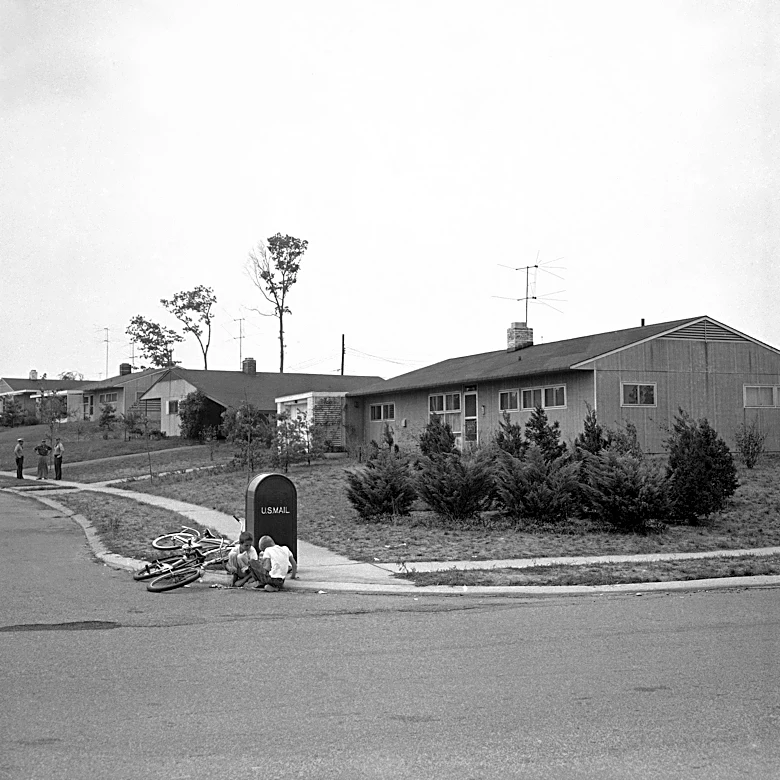
In the years following World War II, Levittown emerged as a symbol of the American dream, offering affordable housing to returning veterans and their families. Developed by William Levitt, this planned suburb on Long Island, New York, featured over 17,000 homes built using mass-production techniques. Despite its promise of homeownership, Levittown was marred by racial exclusion. The Federal Housing Authority's mortgage guarantees were primarily aimed at white buyers, and Levitt himself refused to sell homes to Black families, enforcing restrictive covenants that prevented resale to Black individuals. This exclusionary practice left a lasting impact on racial inequality in housing.