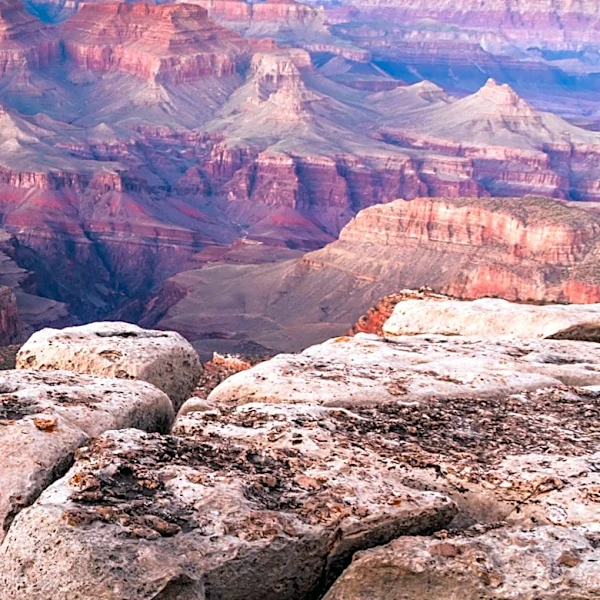
Ancient Mega-Cliff System May Explain Grand Canyon's Missing Geological History
Researchers have uncovered evidence suggesting that an enormous ancient cliff system, a 'great escarpment,' may have played a significant role in exposing the deep rocks of the Grand Canyon nearly a billion years before the Colorado River began carving the modern landscape. This study, led by scientists at the University of Southampton, proposes that this vast escarpment formed approximately 800 million years ago during the breakup of the supercontinent Rodinia. These towering cliffs, potentially reaching a kilometer in height and extending for thousands of kilometers across western North America, underwent extensive erosion. This erosion removed vast amounts of material, ultimately exposing the ancient crystalline basement rocks now visible in the Grand Canyon in southern Arizona. The findings also offer insights into the formation of the Great Unconformity, a mysterious gap in the geological record spanning over a billion years.