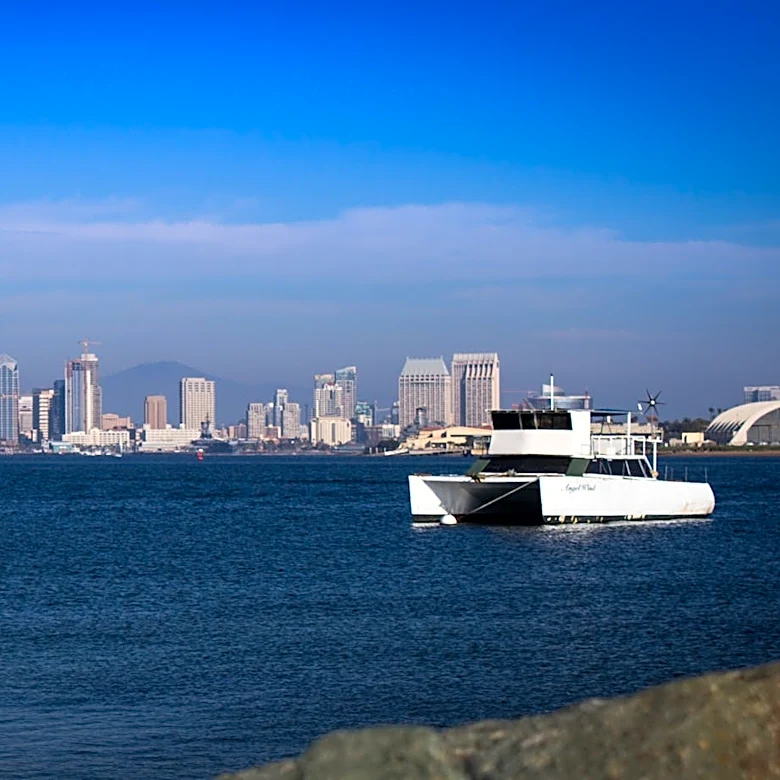
California Marine Heat Wave Threatens Wildlife and Ecosystems
A persistent marine heat wave is affecting the U.S. West Coast, particularly California, with ocean temperatures rising 3 to 4 degrees above normal in some areas, according to NOAA data. The heat wave, identified as NEP25A, has been unusually widespread and persistent, with record-high sea surface temperatures observed at locations like Scripps Pier in San Diego. Scientists warn that the heat wave could last through spring and summer, potentially intensifying with the development of El Niño later in 2026. The warming waters are disrupting marine ecosystems, leading to food chain imbalances and visible impacts such as seabird starvation and harmful algal blooms. These conditions are also affecting the fishing industry, as fish species move deeper or farther offshore, and shellfish harvesting faces disruptions due to toxic blooms.