U.S. Researchers Develop DNA Encryption to Secure Engineered Cells Against Unauthorized Access
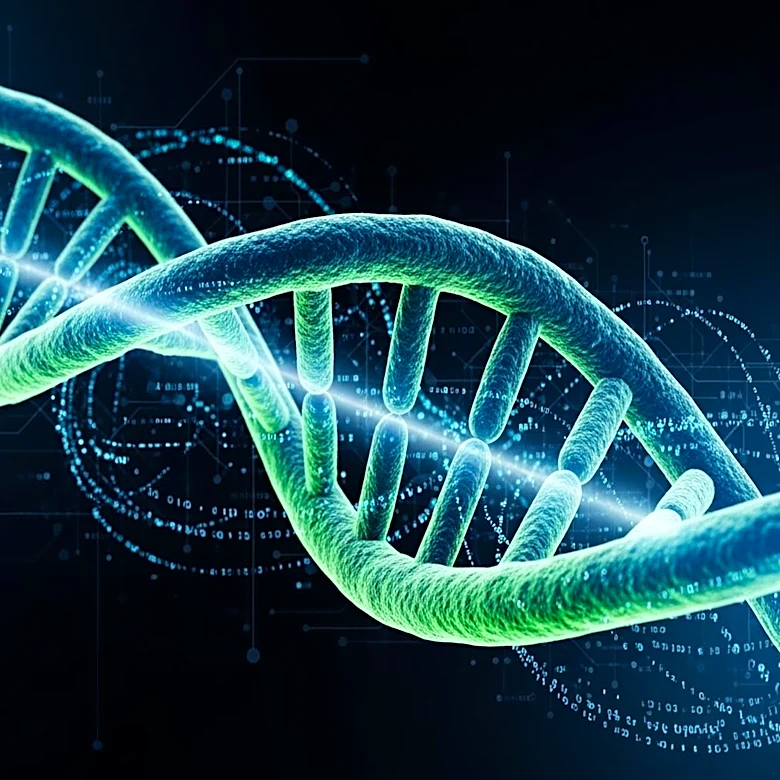
A team of U.S. researchers has developed a novel DNA encryption method to protect engineered cells from unauthorized access. This approach involves scrambling the DNA of a cell, rendering its instructions non-functional until a precise sequence of chemicals is applied to unlock it. The method was tested through an ethical hacking exercise, where a 'red team' attempted to breach the system. Initially, they identified weak spots, but after improvements, the system's security was significantly enhanced, reducing the chance of unauthorized access to 0.2%. This development is particularly significant given the increasing theft and smuggling of high-value biological materials, which could be misused if they fall into the wrong hands.