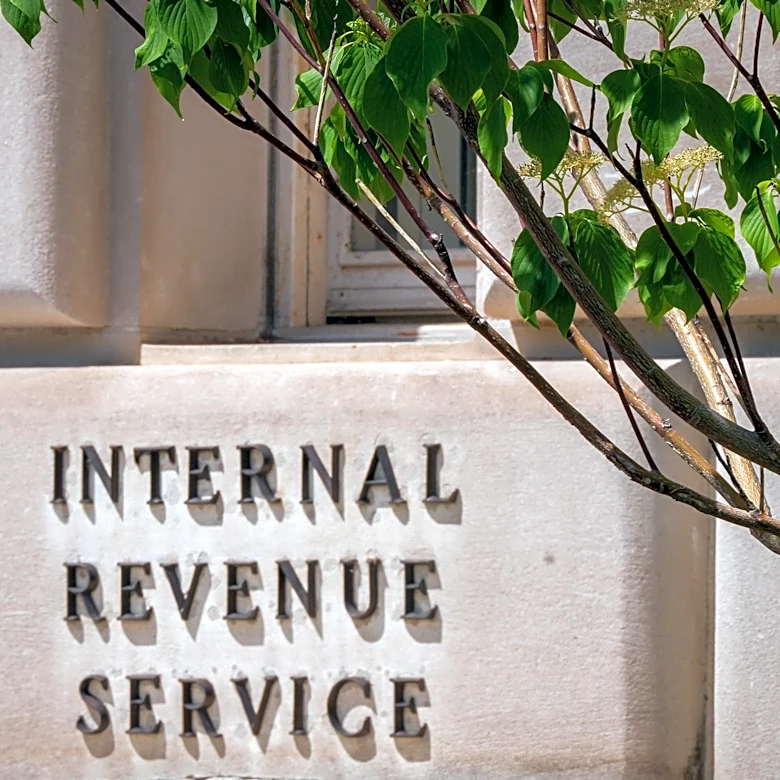
IRS Can Sue Taxpayers for Unpaid Debts After Failed Collection Efforts
The Internal Revenue Service (IRS) possesses the authority to sue taxpayers, typically as a last resort when administrative collection efforts, such as liens and levies, have proven unsuccessful. These lawsuits are relatively rare and are usually initiated when the unpaid tax bill is substantial, potentially exceeding $100,000. The IRS may also pursue litigation if it believes the case's publicity could enhance tax compliance or if it needs to reduce the tax assessment to judgment to extend the time available for debt collection. When the IRS decides to sue, the case is referred to the U.S. Department of Justice (DOJ) for litigation, which then files the lawsuit, most often in U.S. District Court rather than Tax Court. The process involves a series of steps, including referral to the DOJ, filing and serving a complaint, the taxpayer's response, discovery, and potentially a trial, culminating in a judgment if the DOJ prevails. Most of these civil tax suits are resolved through settlement before reaching tri...