Regenerative Agriculture Gains Traction Amid Climate Change Challenges
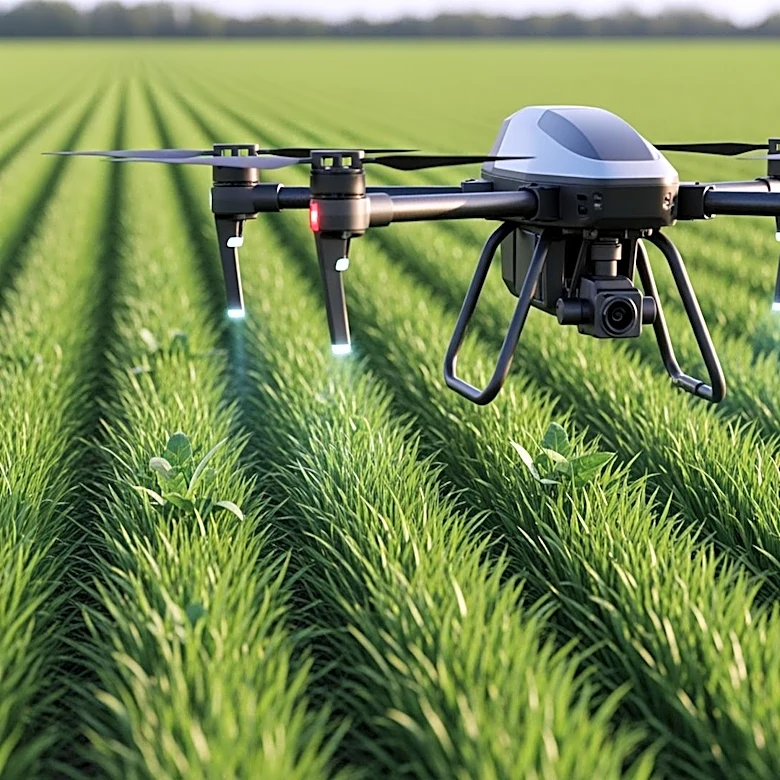
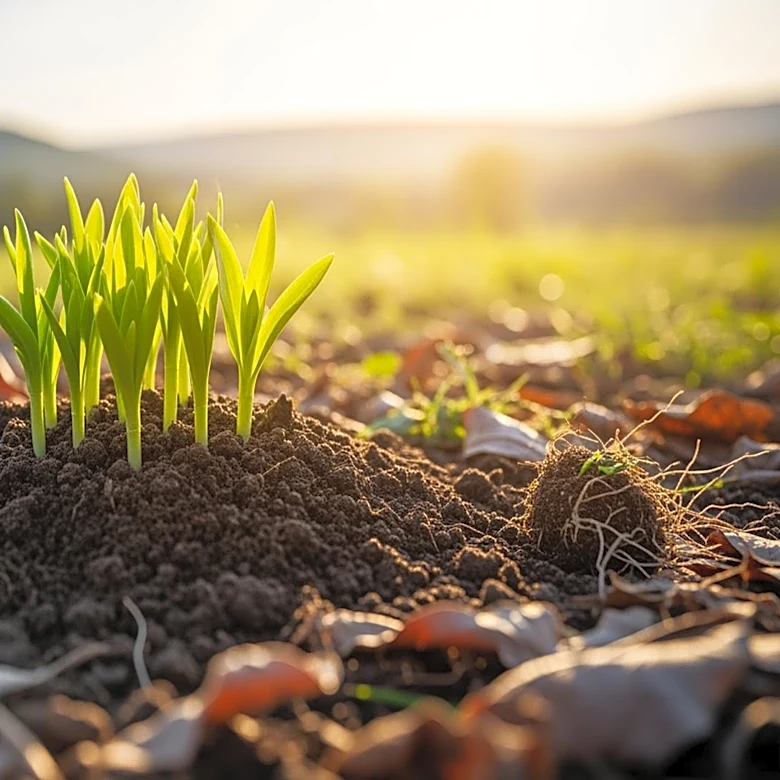
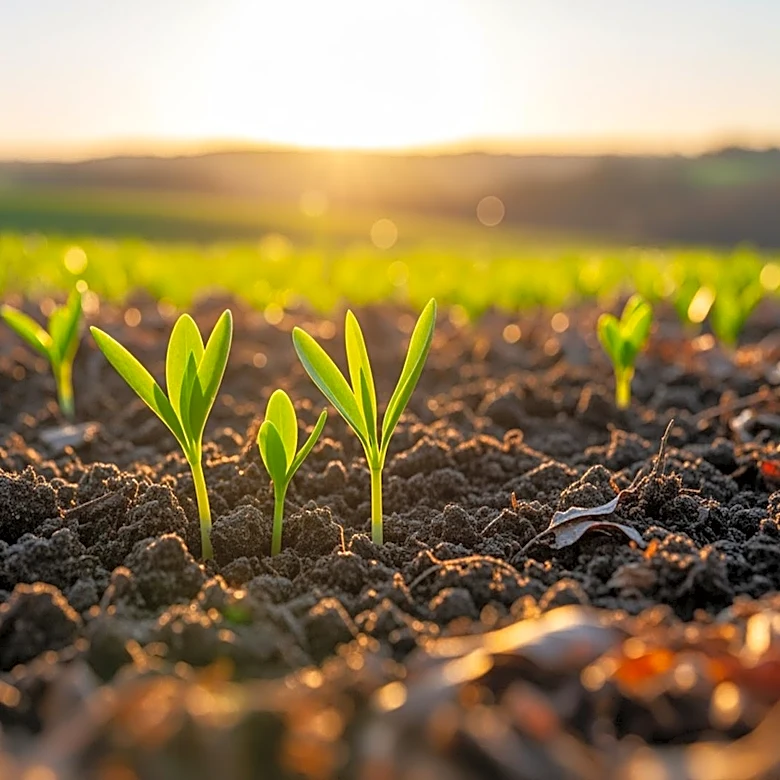
Regenerative agriculture is increasingly being recognized as a sustainable model that reorganizes farming practices to strengthen soil health and expand resilience against climatic challenges. This approach, which has gained traction since the 2010s, involves treating soil as a living system capable of capturing carbon, retaining water, and sustaining agricultural productivity. The model reduces dependence on chemical inputs and emphasizes natural processes, such as maintaining plant cover to prevent erosion and preserve moisture. An example in Tarragona demonstrates the model's success, producing over 12 million kilograms of vegetables annually without chemical fertilizers. The approach also includes practices like using organic compounds from agricultural waste to enrich soil and employing mechanical techniques for pest control, fostering ecological balance.