Scientists Link Corn Belt Agriculture to Increased Thunderstorm Activity
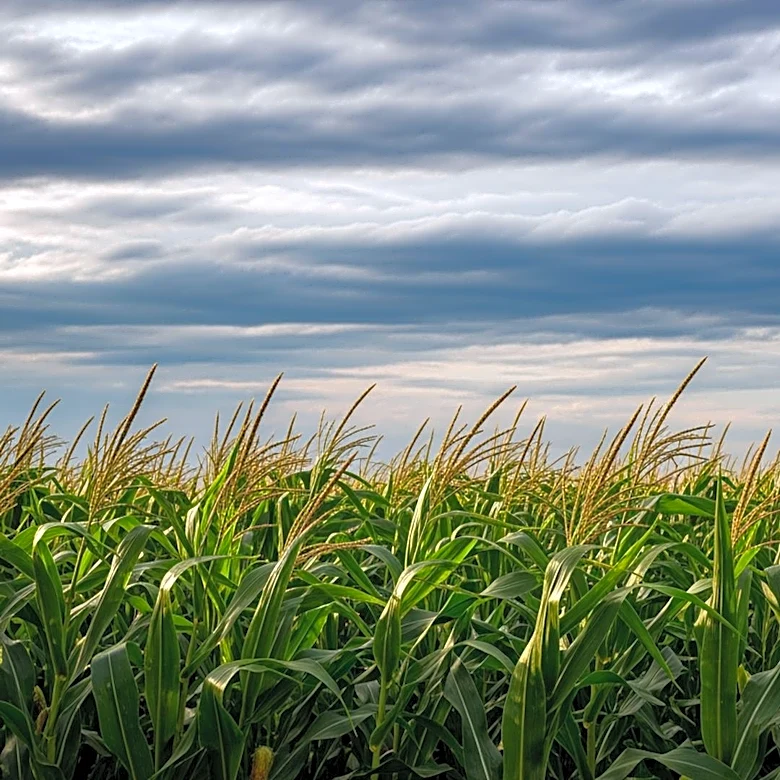
An international team of scientists has discovered that agricultural practices in the U.S. Corn Belt significantly contribute to the formation of large thunderstorm complexes. The study, led by researchers at the U.S. National Science Foundation National Center for Atmospheric Research, focused on mesoscale convective systems (MCSs), which are clusters of thunderstorms that span at least 60 miles and last for extended periods. The research found that moisture from crops, irrigation systems, and shallow groundwater increases the frequency and duration of these storm systems. The study utilized advanced computer simulations to analyze the interaction between agricultural practices and atmospheric conditions, revealing that these factors increase storm frequency by 24% to 35% and extend their duration by about 10%. The findings were published in 'Nature Communications Earth & Environment' and involved collaboration with institutions from Switzerland, Spain, and Hong Kong.