Congress and Utah Collaborate on Great Salt Lake Restoration Amid Environmental Concerns
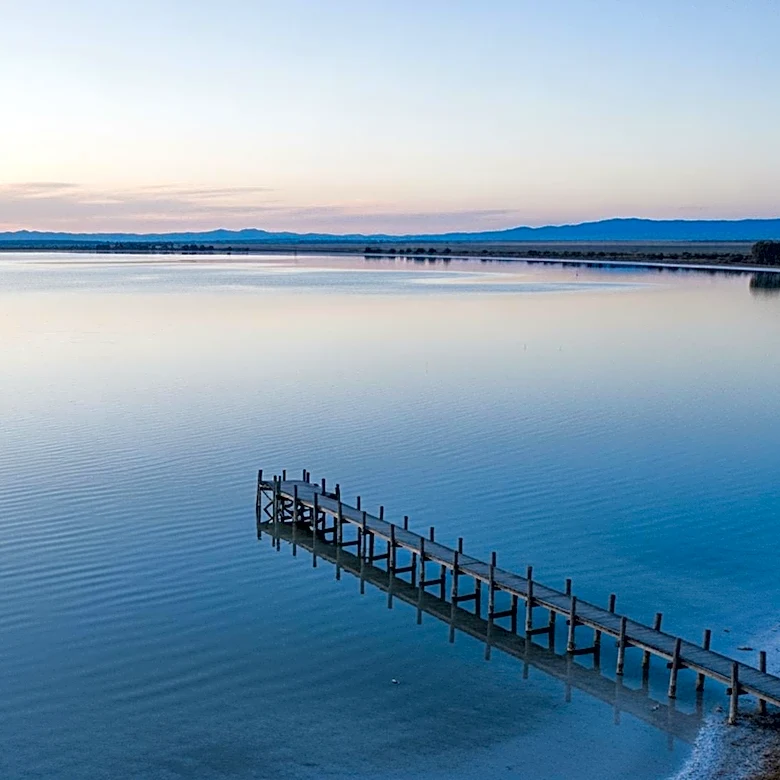
The Great Salt Lake in Utah, the largest saline lake in the United States, is experiencing significant ecological challenges due to decreasing water levels and increased salinity. Over the past two decades, water levels have dropped primarily because of reduced inflows, drought, and rising temperatures, which have led to greater evaporation. This situation has prompted both state and federal efforts to restore the lake. Utah has established the Office of the Great Salt Lake Commissioner and released a strategic plan to balance ecological, economic, and societal interests. The state has also implemented regulations to maintain water flows and conserve water. On the federal level, the U.S. Bureau of Reclamation has allocated $50 million to support water conservation and ecosystem restoration. The Trump Administration has requested $1 billion for a comprehensive federal restoration program. These efforts aim to address the economic, environmental, and health impacts of the lake's declining water levels.