NASA AI Tool Enhances Detection of Harmful Algal Blooms in U.S. Coastal Waters
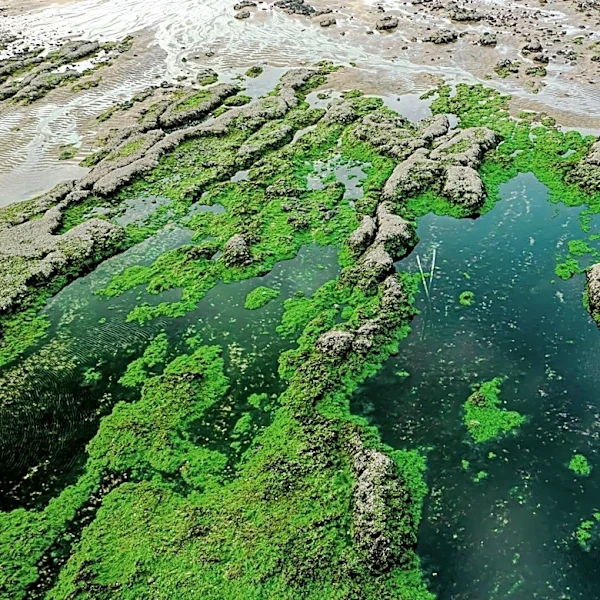
NASA researchers have developed an advanced artificial intelligence (AI) tool to detect harmful algal blooms (HABs) in coastal waters, particularly in western Florida and Southern California. The system integrates data from multiple satellites, including NASA's PACE and TROPOMI instruments, to map HABs with high precision. These blooms, caused by species like Karenia brevis in Florida and Pseudo-nitzschia on the West Coast, pose significant ecological, health, and economic risks. The AI tool uses self-supervised machine learning to analyze satellite data, identifying patterns without requiring manually labeled datasets. Initial results demonstrate its ability to detect and map HABs even in complex coastal environments. Researchers aim to expand the tool's application to other coastlines and freshwater bodies, with the goal of providing actionable insights to communities and decision-makers.