Climate Change Intensifies NYC Summers with Overlapping Health Threats
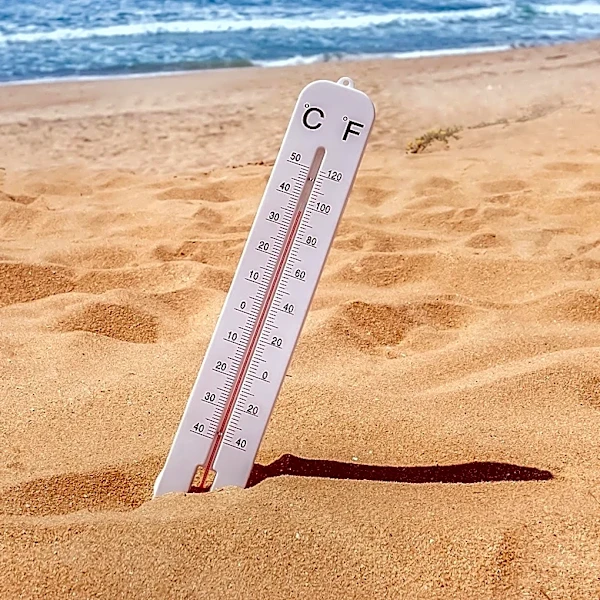
New York City is experiencing increasingly severe and overlapping climate-related health threats, including extreme heat, wildfire smoke, flash floods, and outbreaks of diseases like Legionnaires’ and tick-borne illnesses. Experts attribute these issues to a hotter and wetter climate, with projections indicating that NYC could face 14 to 32 days annually with temperatures exceeding 95°F (35°C) by mid-century, compared to about four historically. Additionally, rising sea levels and increased precipitation are expected to exacerbate flooding. Public health officials are also concerned about the indirect effects of climate change, such as the spread of vector-borne diseases and foodborne illnesses linked to extreme weather events. NYC has been reclassified as a subtropical climate, with milder winters and humid summers becoming the norm. Efforts are underway to mitigate these impacts through infrastructure improvements, policy changes, and community-level initiatives.