Scientists Reconstruct Jurassic Insect Calls, Revealing Ancient Ultrasonic Communication
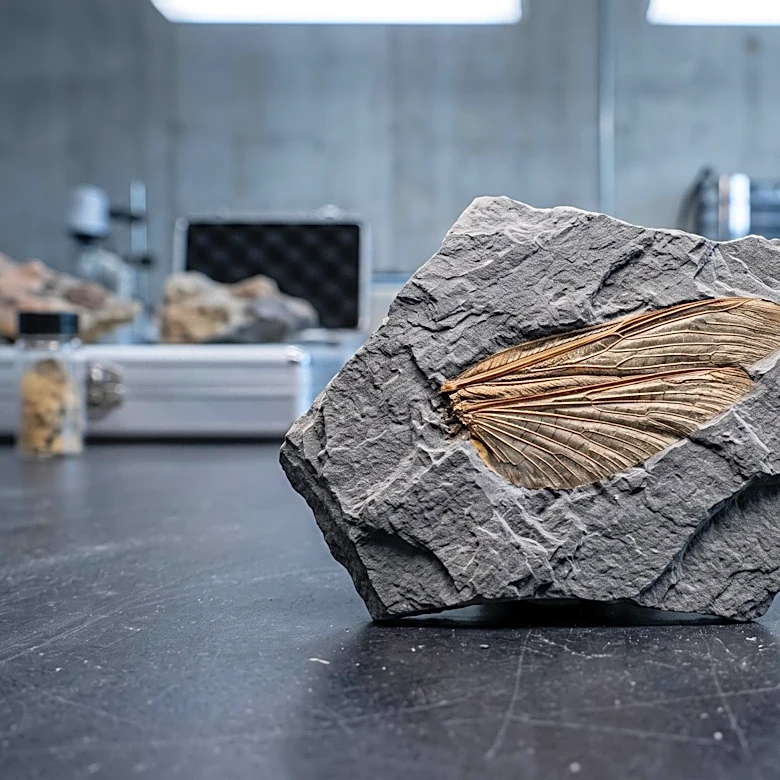
Scientists have successfully reconstructed the calls of Jurassic relatives of modern-day crickets and katydids, providing insights into the soundscape of 165-million-year-old forests. The research, published in the Proceedings of the National Academy of Sciences, involved examining 20 fossilized wings from nine species of katydid relatives discovered in Inner Mongolia, China. The team focused on the microscopic, tooth-like ridges on the wings, which produce sound when rubbed by a scraper on the opposite wing. By measuring these structures and incorporating data from modern insects and their phylogenetic relationships into computer models, researchers determined the frequency and basic structure of each ancient call. A machine learning model then estimated the likely call rates to create a hypothetical Jurassic soundscape. The results revealed a rich acoustic environment, with many species producing pure-tone calls at around 5 kHz, similar to living crickets. Notably, one species, Sigmaboilus peregrinus, ap...